Comparing Growth Hormone Therapy and Peptides
Explore the differences between growth hormone therapy and peptides for anti-aging. Understand their roles in rejuvenation.
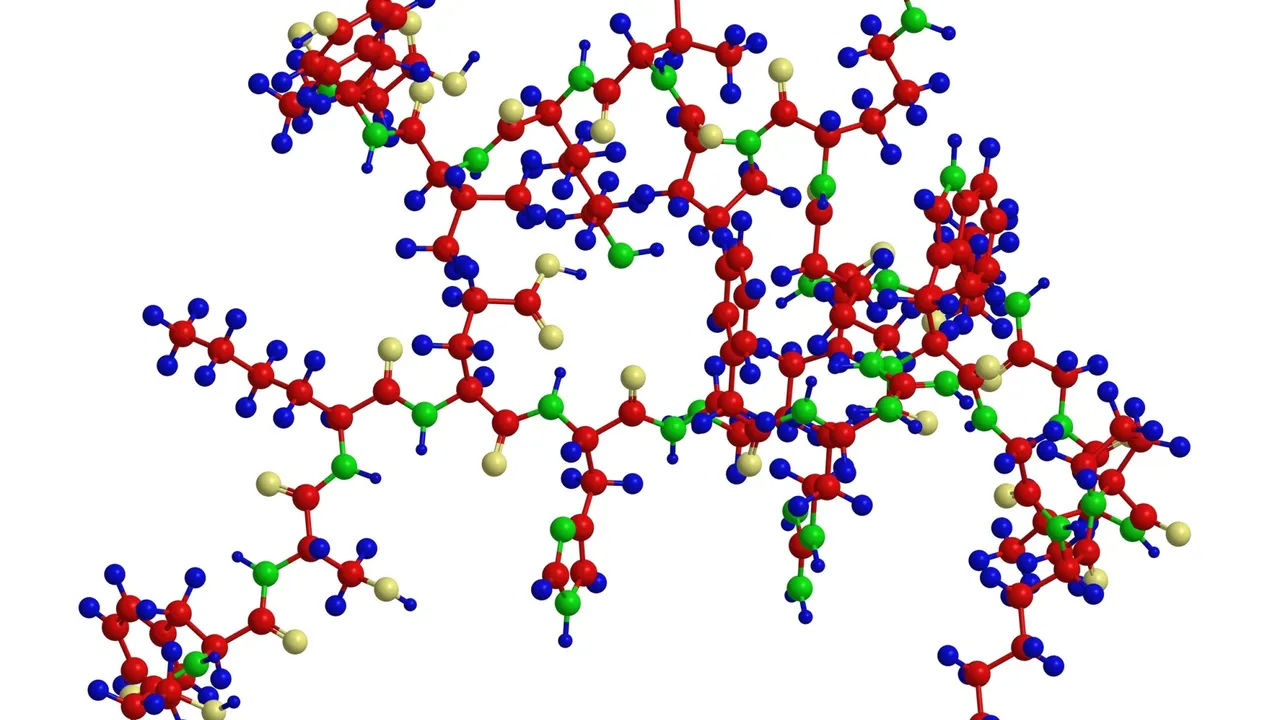
Explore the differences between growth hormone therapy and peptides for anti-aging. Understand their roles in rejuvenation.
Comparing Growth Hormone Therapy and Peptides for Anti Aging
Hey everyone, let's dive deep into a topic that's buzzing in the anti-aging world: Growth Hormone Therapy (GHT) versus Peptides. Both are often discussed as pathways to rejuvenation, but they work differently, have different implications, and come with their own sets of pros and cons. If you're looking to understand how to potentially turn back the clock or just optimize your body's functions, this is for you. We're going to break down what each is, how they function, their benefits, risks, and even some specific product recommendations and pricing.
Understanding Growth Hormone Therapy HGH and Anti Aging
First up, let's talk about Growth Hormone Therapy, often referred to as HGH therapy. Human Growth Hormone (HGH) is a naturally occurring hormone produced by the pituitary gland. It plays a crucial role in growth, cell reproduction, and regeneration. As we age, our natural HGH production declines, which is why some people look to exogenous HGH to combat the signs of aging.
What is HGH Therapy and How Does it Work for Rejuvenation
HGH therapy involves administering synthetic human growth hormone, typically via injection. The idea is to replenish declining levels, thereby potentially reversing some age-related changes. When you introduce synthetic HGH, it mimics the body's natural hormone, stimulating various cellular processes. This can lead to increased muscle mass, decreased body fat, improved skin elasticity, better bone density, and enhanced energy levels. It's like giving your body a signal to act younger, promoting cellular repair and regeneration across multiple systems.
Benefits of HGH Therapy for Longevity and Vitality
The purported benefits of HGH therapy are quite extensive, especially in the anti-aging context. Many users report significant improvements in body composition, such as a reduction in visceral fat and an increase in lean muscle mass. This isn't just about looking good; it's about metabolic health. Improved skin elasticity and reduced wrinkles are also commonly cited, giving a more youthful appearance. Beyond aesthetics, HGH therapy is often associated with increased energy, better sleep quality, enhanced libido, and improved cognitive function. Some studies even suggest benefits for cardiovascular health and bone density, which are critical for long-term vitality.
Risks and Side Effects of HGH Therapy Considerations
However, HGH therapy isn't without its risks. Because it's a powerful hormone, improper use or excessive dosing can lead to significant side effects. These can include carpal tunnel syndrome, joint and muscle pain, swelling in the arms and legs (edema), and even an increased risk of diabetes. There's also a concern about the potential for HGH to accelerate the growth of existing cancers, though research on this is ongoing and not fully conclusive. It's a prescription-only medication, and its use should always be under strict medical supervision to mitigate these risks.
HGH Therapy Products and Pricing Insights
When it comes to HGH therapy, you're typically looking at injectable forms. Brands like Genotropin, Humatrope, Norditropin, and Saizen are common. These are pharmaceutical-grade products, and they are expensive. A typical monthly supply can range from $1,000 to $5,000, depending on the dosage and brand. The cost also includes medical consultations, blood tests, and ongoing monitoring. You can't just buy these over the counter; they require a doctor's prescription, usually from an endocrinologist or an anti-aging specialist, after a thorough evaluation of your HGH levels and overall health. For example, a 5mg cartridge of Norditropin FlexPro might cost around $400-$600, and you might need several cartridges per month. Humatrope 6mg can be in a similar range. These are not casual purchases; they are serious medical treatments.
Exploring Peptides for Anti Aging and Rejuvenation
Now, let's shift gears and talk about peptides. Peptides are short chains of amino acids, which are the building blocks of proteins. They are essentially smaller versions of proteins. In the context of anti-aging, certain peptides are designed to stimulate the body's natural production of growth hormone or to mimic other beneficial biological processes.
What are Peptides and How Do They Work for Longevity
Unlike HGH therapy, which introduces synthetic growth hormone directly, many anti-aging peptides work by signaling the body to produce more of its own HGH. These are often referred to as Growth Hormone Releasing Peptides (GHRPs) or Growth Hormone Releasing Hormones (GHRHs). Examples include Ipamorelin, CJC-1295, and Sermorelin. They bind to specific receptors in the pituitary gland, prompting it to release more natural HGH. This is often seen as a more physiological approach, as it encourages the body's own systems to function optimally rather than directly replacing a hormone. Other peptides might target different pathways, like BPC-157 for healing and recovery, or GHK-Cu for skin regeneration.
Benefits of Peptides for Anti Aging and Wellness
The benefits of peptides can overlap with HGH therapy but often come with a different risk profile. For instance, GHRPs and GHRHs can lead to increased lean muscle mass, reduced body fat, improved sleep, and enhanced recovery. Because they stimulate natural HGH production, the release is often more pulsatile, mimicking the body's natural rhythm, which some believe is safer. Peptides like BPC-157 are lauded for their regenerative properties, aiding in wound healing, gut health, and joint repair. GHK-Cu is popular for its skin-rejuvenating effects, promoting collagen and elastin production, leading to firmer, smoother skin. Many users report a general sense of well-being and improved vitality.
Risks and Side Effects of Peptide Use Considerations
While generally considered safer than direct HGH therapy, peptides are not entirely without risks. Side effects can include mild water retention, increased appetite, and sometimes fatigue, especially with GHRPs. Because they are still relatively new in widespread anti-aging use, long-term data on their safety is less extensive compared to HGH. The regulatory landscape for peptides is also a bit murky; many are sold for 'research purposes only' and are not FDA-approved for human use, which means quality control can vary significantly. It's crucial to source them from reputable suppliers and ideally, under the guidance of a knowledgeable healthcare professional.
Popular Peptides Products and Pricing Guide
There's a wide array of peptides available, and their pricing varies. Most peptides come in lyophilized (freeze-dried) powder form and need to be reconstituted with bacteriostatic water before injection. They are typically administered subcutaneously. Here are a few popular ones:
-
Ipamorelin: Often used for HGH release, improved sleep, and recovery. A 5mg vial might cost around $50-$100. A typical cycle could last 8-12 weeks.
-
CJC-1295 (with DAC): A long-acting GHRH that stimulates HGH release. A 2mg vial can range from $60-$150. This is often stacked with Ipamorelin for synergistic effects.
-
Sermorelin: Another GHRH, often considered a milder option. A 5mg vial might be $40-$80. It's often prescribed by anti-aging clinics.
-
BPC-157: Known for its healing and regenerative properties, particularly for gut and joint issues. A 5mg vial typically costs $40-$90. It can be injected locally or systemically.
-
GHK-Cu: Primarily used for skin health, promoting collagen and elastin. It's often found in topical creams or serums, with prices varying widely from $30 to $200+ for a good quality product. Injectable forms are also available but less common for cosmetic use.
The total monthly cost for a peptide regimen can range from $100 to $500, depending on the specific peptides, dosages, and cycle length. This is generally more affordable than pharmaceutical HGH therapy.
HGH Therapy vs Peptides A Comparative Analysis for Anti Aging
So, how do these two stack up against each other? It's not a simple 'better or worse' scenario; it's more about what fits your goals, risk tolerance, and budget.
Mechanism of Action Direct vs Indirect HGH Stimulation
The fundamental difference lies in their mechanism. HGH therapy is direct replacement: you're putting synthetic HGH directly into your system. Peptides, particularly GHRPs and GHRHs, are indirect: they tell your body to make more of its own HGH. This indirect approach is often seen as more natural and potentially safer, as it allows the body to regulate its own HGH release, reducing the risk of overshooting physiological levels.
Efficacy and Results What to Expect from Each
In terms of efficacy, pharmaceutical HGH therapy is generally considered to produce more pronounced and rapid results, especially for significant body composition changes, due to the direct and often higher levels of HGH introduced. Peptides, while effective, tend to yield more gradual and subtle changes, as they rely on your body's own capacity to produce HGH. However, for specific issues like healing (BPC-157) or skin rejuvenation (GHK-Cu), certain peptides might be more targeted and effective than general HGH therapy.
Safety Profile and Regulatory Status Key Differences
Safety is a major differentiator. HGH therapy is a controlled substance, requiring a prescription and medical oversight. This means it's regulated, and the products are pharmaceutical grade. Peptides, on the other hand, often exist in a grey area. Many are sold as 'research chemicals' and are not FDA-approved for human use. This means less stringent quality control, and the potential for impurities or incorrect dosing from less reputable sources. While the side effects of peptides are generally milder, the lack of regulation means you need to be extra cautious about where you source them.
Cost and Accessibility Budgeting for Rejuvenation
Cost and accessibility are also significant. HGH therapy is considerably more expensive and requires ongoing medical supervision, making it less accessible for many. Peptides are generally more affordable and, due to their less regulated status, easier to obtain (though again, caution is advised). This makes peptides a more attractive option for those on a tighter budget or those looking for a less invasive approach.
Choosing Your Path to Anti Aging and Rejuvenation
So, which one is right for you? It really depends on your individual goals, health status, and willingness to manage potential risks.
When to Consider HGH Therapy Professional Guidance
HGH therapy is typically considered for individuals with a diagnosed HGH deficiency, or for those seeking more aggressive anti-aging interventions under strict medical supervision. If you're looking for significant changes in body composition, energy, and overall vitality, and you're willing to commit to the cost and medical oversight, HGH therapy might be an option. It's crucial to work with an experienced anti-aging doctor or endocrinologist who can monitor your hormone levels and adjust dosages to minimize risks.
When to Explore Peptides Targeted Benefits and Safety
Peptides are often a good starting point for those who want to explore anti-aging benefits without the higher cost and potential risks associated with direct HGH therapy. If you're looking for more subtle, natural HGH stimulation, or if you have specific concerns like healing, recovery, or skin health, certain peptides can be highly effective. They offer a more targeted approach and are generally considered to have a better safety profile, especially when sourced from reputable suppliers. Many people also prefer the idea of stimulating their body's own production rather than introducing exogenous hormones.
Combining Approaches Stacking for Synergistic Effects
It's also worth noting that some people combine approaches. For example, a common stack involves using a GHRH like CJC-1295 with a GHRP like Ipamorelin to maximize natural HGH release. Some might even use peptides for specific benefits (like BPC-157 for healing) alongside a lower dose of HGH if medically indicated. This kind of stacking should only be done with extreme caution and under professional guidance, as it increases the complexity and potential for side effects.
Final Thoughts on Anti Aging Strategies
Ultimately, both HGH therapy and peptides offer intriguing possibilities in the realm of anti-aging and rejuvenation. HGH therapy provides a direct, powerful approach with potentially rapid results, but comes with higher costs and more significant risks, demanding strict medical supervision. Peptides offer a more nuanced, often safer, and more affordable way to stimulate your body's natural processes, with targeted benefits for various aspects of health and longevity.
Before embarking on either path, do your homework. Research thoroughly, consult with healthcare professionals who specialize in anti-aging medicine, and consider your personal health goals, risk tolerance, and budget. The world of biohacking and anti-aging is constantly evolving, and staying informed is your best tool for making choices that truly benefit your long-term health and vitality. Remember, there's no magic bullet, but understanding your options empowers you to make informed decisions on your journey to optimal wellness.
:max_bytes(150000):strip_icc()/277019-baked-pork-chops-with-cream-of-mushroom-soup-DDMFS-beauty-4x3-BG-7505-5762b731cf30447d9cbbbbbf387beafa.jpg)