Comparing Swimming and Cycling for Cardio Fitness
Evaluate swimming versus cycling for cardiovascular fitness. Choose the best low-impact cardio option for your routine.
Evaluate swimming versus cycling for cardiovascular fitness. Choose the best low-impact cardio option for your routine.
Comparing Swimming and Cycling for Cardio Fitness
The Great Cardio Debate Swimming vs Cycling
Hey there, fitness enthusiasts! Ever found yourself at a crossroads, wondering whether to hit the pool or hop on a bike for your cardio fix? It's a common dilemma, and honestly, both swimming and cycling are fantastic choices for boosting your cardiovascular health. But like anything in the world of wellness, what's 'best' really depends on your personal goals, physical condition, and what you enjoy doing. Let's dive deep into the pros and cons of each, compare their impact on your body, and even look at some gear that can make your workouts even better.
Understanding Cardiovascular Fitness Benefits
Before we get into the nitty-gritty, let's quickly touch on why cardio fitness is so important. We're talking about strengthening your heart and lungs, improving blood circulation, burning calories, and even boosting your mood. Both swimming and cycling excel at these, but they do it in slightly different ways, engaging different muscle groups and putting varying levels of stress on your joints.
Swimming The Full Body Low Impact Powerhouse
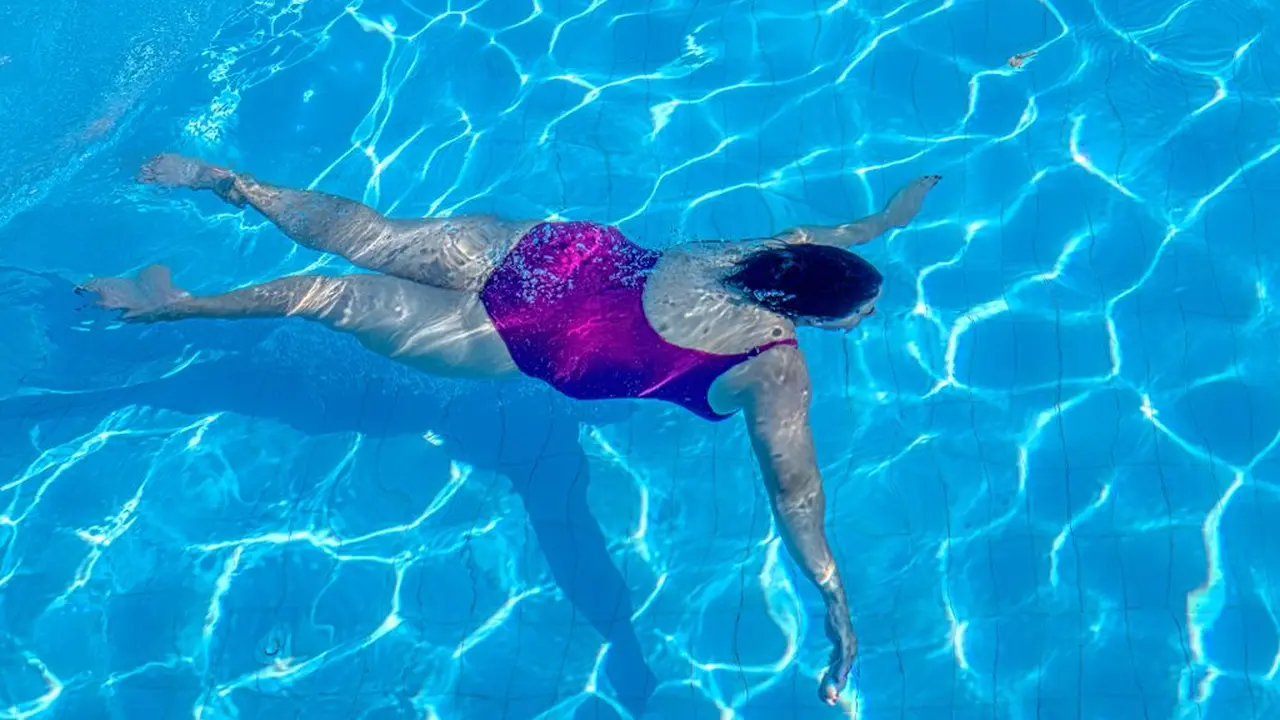
Swimming is often hailed as the ultimate full-body workout, and for good reason. When you're in the water, you're engaging almost every major muscle group – your arms, legs, core, and back are all working in harmony. Plus, the buoyancy of water makes it incredibly low-impact, which is a huge win for anyone with joint issues or those recovering from injuries.
Key Advantages of Swimming for Cardio Health
- Joint Friendly Exercise: The water supports about 90% of your body weight, significantly reducing stress on your joints. This makes it ideal for people with arthritis, knee problems, or those who find high-impact activities painful.
- Full Body Muscle Engagement: From your lats and shoulders to your glutes and hamstrings, swimming works it all. Different strokes target different muscles, offering a comprehensive workout.
- Improved Lung Capacity and Breathing Control: Swimming forces you to control your breath, which can lead to improved lung function and cardiovascular endurance over time.
- Cooling Effect: No more sweating buckets! The water keeps your body cool, making it a comfortable workout even on hot days.
- Stress Reduction and Mental Well-being: The rhythmic nature of swimming and the sensation of being in water can be incredibly meditative and stress-relieving.
Potential Downsides of Swimming Workouts
- Accessibility: You need access to a pool, which isn't always convenient or affordable for everyone.
- Skill Requirement: While anyone can splash around, proper swimming technique is crucial for an effective and injury-free workout. Lessons might be necessary.
- Chlorine Exposure: For some, chlorine can be irritating to the skin, hair, and eyes.
- Less Weight-Bearing: While great for joints, the lack of weight-bearing can mean less bone density improvement compared to land-based activities.
Cycling The Leg Dominant Versatile Cardio Option
Cycling, whether outdoors on a road bike or indoors on a stationary bike, is another fantastic cardio choice. It's primarily a lower-body workout, but it can be incredibly versatile, allowing for different intensities and environments.
Key Advantages of Cycling for Cardiovascular Fitness
- Excellent for Lower Body Strength: Cycling powerfully engages your quads, hamstrings, glutes, and calves, building strength and endurance in your legs.
- Variable Intensity and Terrain: You can easily adjust the intensity by changing gears, speed, or tackling hills. Outdoor cycling offers varied scenery and challenges.
- Low Impact (Mostly): While not as low-impact as swimming, cycling is still much gentler on your joints than running, as your body weight is supported by the bike.
- Convenience and Accessibility: Many people own bikes, and stationary bikes are common in gyms or can be purchased for home use. You can cycle almost anywhere.
- Commuting and Exploration: Cycling can double as a mode of transport, allowing you to combine your workout with daily errands or explore new places.
Potential Downsides of Cycling Sessions
- Upper Body Neglect: Cycling doesn't offer much of an upper body workout, so you'll need to supplement with other exercises.
- Risk of Injury (Outdoor Cycling): Outdoor cycling comes with risks like falls, traffic, and uneven terrain.
- Saddle Soreness: Especially for beginners or long rides, saddle discomfort can be an issue.
- Weather Dependent (Outdoor Cycling): Rain, extreme heat, or cold can limit outdoor cycling opportunities.
Comparing Muscle Engagement and Calorie Burn
When it comes to muscle engagement, swimming is the clear winner for a full-body workout. It targets your core, back, shoulders, arms, and legs. Cycling, on the other hand, is heavily focused on your lower body. If you're looking for a comprehensive workout that hits everything, swimming has an edge. However, if you're aiming to build powerful legs and glutes, cycling is incredibly effective.
Calorie burn is highly dependent on intensity, duration, and individual factors like weight and metabolism. Generally, both activities can burn a significant number of calories. A vigorous swimming session can burn anywhere from 400-700 calories per hour, while moderate to vigorous cycling can burn 400-1000+ calories per hour, especially if you're tackling hills or doing high-intensity intervals. The key is consistency and pushing yourself.
Impact on Joints and Injury Prevention
This is where swimming truly shines. Its non-weight-bearing nature makes it incredibly gentle on your joints, making it an excellent choice for rehabilitation or for individuals with chronic joint pain. Cycling is also low-impact compared to running or jumping, but improper bike fit or technique can still lead to knee or back issues. Always ensure your bike is properly adjusted to your body.
Gear Up Making Your Workouts Better
Having the right gear can significantly enhance your swimming or cycling experience, making it more comfortable, efficient, and enjoyable. Let's look at some specific product recommendations, their use cases, and price points.
Essential Swimming Gear Recommendations
For swimming, you don't need a ton of fancy equipment, but a few key items can make a big difference.
Goggles for Clear Vision and Eye Protection
- Speedo Vanquisher 2.0 Mirrored Goggles: These are a classic for a reason. They offer a comfortable fit, good peripheral vision, and mirrored lenses to reduce glare, perfect for both indoor and outdoor pools. They're durable and widely available.
- Use Case: Daily lap swimming, competitive training, open water swimming (mirrored version).
- Price: Around $20-$30 USD.
- Comparison: Compared to cheaper, basic goggles, the Vanquisher offers superior comfort, seal, and longevity. More expensive options might offer slightly better hydrodynamics or specialized lenses, but for most, these are perfect.
Swim Caps for Hair Protection and Hydrodynamics
- TYR Silicone Swim Cap: A standard silicone cap is excellent for keeping hair out of your face, reducing drag, and protecting your hair from chlorine. They're durable and come in various colors.
- Use Case: Any type of swimming, especially for those with longer hair or wanting to reduce drag.
- Price: Around $8-$15 USD.
- Comparison: Latex caps are cheaper but less durable and can pull hair. Fabric caps are more comfortable but offer less drag reduction and chlorine protection. Silicone is a good middle ground.
Kickboards and Pull Buoys for Targeted Training
- Speedo Team Kickboard: A simple foam kickboard helps you isolate your leg muscles for powerful kicking drills.
- Use Case: Leg strength and endurance training, improving kick technique.
- Price: Around $15-$25 USD.
- Comparison: Most kickboards are similar in function. Look for one that's comfortable to hold and durable.
- FINIS Pull Buoy: This foam float goes between your legs, allowing you to focus solely on your upper body and core strength by taking your legs out of the equation.
- Use Case: Upper body strength and endurance training, improving arm stroke technique.
- Price: Around $15-$25 USD.
- Comparison: Similar to kickboards, most pull buoys offer similar functionality.
Essential Cycling Gear Recommendations
For cycling, especially outdoors, safety and comfort are paramount. For indoor cycling, comfort is still key.
Helmets for Safety (Outdoor Cycling)
- Specialized Echelon II Helmet: This is a great all-around helmet offering good ventilation, comfort, and crucial protection. It's not the most expensive, but it provides excellent safety features.
- Use Case: All outdoor cycling, commuting, recreational rides.
- Price: Around $70-$100 USD.
- Comparison: Cheaper helmets might lack ventilation or comfort features. More expensive helmets offer advanced aerodynamics, lighter weight, or MIPS technology for rotational impact protection. Always prioritize safety and fit.
Cycling Shorts for Comfort
- Pearl Izumi Attack Cycling Shorts: These shorts feature a comfortable chamois (padding) that significantly reduces saddle soreness, especially on longer rides. They're breathable and durable.
- Use Case: Any cycling, especially rides longer than 30 minutes.
- Price: Around $70-$100 USD.
- Comparison: Cheaper shorts often have thinner, less effective padding. More expensive options might offer different chamois densities, compression fabrics, or specialized fits.
Water Bottles and Cages for Hydration
- CamelBak Podium Chill Insulated Water Bottle: Keeps your water cool for longer, which is a huge plus on hot rides. The self-sealing cap prevents leaks.
- Use Case: All cycling, essential for rides over 30 minutes.
- Price: Around $12-$18 USD per bottle.
- Comparison: Basic plastic bottles are cheaper but don't insulate. Stainless steel bottles insulate better but are heavier and don't fit all cages.
- Elite Custom Race Plus Bottle Cage: A lightweight and secure bottle cage that holds your bottle firmly even on bumpy roads.
- Use Case: Attaching water bottles to your bike frame.
- Price: Around $10-$20 USD.
- Comparison: Metal cages are durable but can scratch bottles. Carbon cages are lighter but more expensive. Plastic cages are a good balance of price and function.
Indoor Cycling Specifics Smart Trainers and Stationary Bikes
- Wahoo KICKR Smart Trainer: If you already have a road bike, a smart trainer allows you to use it indoors with apps like Zwift or TrainerRoad. It provides realistic road feel, measures power accurately, and automatically adjusts resistance.
- Use Case: Indoor training, virtual cycling, structured workouts, bad weather days.
- Price: Around $1200-$1500 USD.
- Comparison: Cheaper 'dumb' trainers offer resistance but no smart features. Direct drive trainers like the KICKR are quieter and more accurate than wheel-on trainers.
- Peloton Bike: A popular choice for a complete indoor cycling experience, offering live and on-demand classes with instructors. It's a full stationary bike with a large screen.
- Use Case: Home cardio, guided workouts, community engagement.
- Price: Around $1400-$2500 USD (plus monthly subscription).
- Comparison: Many other smart bikes exist (e.g., NordicTrack, Echelon) offering similar features at varying price points. Peloton's strength is its content and community.
Which One is Right for You Making the Choice
So, after all this, how do you choose? It really boils down to your individual circumstances and preferences.
- Choose Swimming if:
- You have joint pain, arthritis, or are recovering from an injury.
- You want a full-body workout that engages all major muscle groups.
- You enjoy the meditative aspect of being in water.
- You're looking for a low-impact way to improve cardiovascular health.
- You have convenient access to a pool.
- Choose Cycling if:
- You want to build strong legs and glutes.
- You enjoy exploring outdoors or commuting by bike.
- You prefer a workout that allows for varied intensity and scenery.
- You're looking for a low-impact cardio option that's easy to do at home or in a gym.
- You want to combine exercise with transportation.
Combining Both The Ultimate Cardio Strategy
Why choose when you can have both? Incorporating both swimming and cycling into your routine can offer the best of both worlds. You get the full-body benefits of swimming and the lower-body strength and versatility of cycling. This cross-training approach can also help prevent overuse injuries by varying the stress on your body.
For example, you could swim two days a week for a full-body workout and cycle two days a week for leg strength and endurance. This keeps your workouts fresh and challenging, ensuring you're hitting all your fitness bases.
Final Thoughts on Cardio Fitness and Lifestyle Integration
Ultimately, the best cardio exercise is the one you'll stick with consistently. Both swimming and cycling are excellent choices for improving your cardiovascular fitness, burning calories, and boosting your overall well-being. Consider your personal preferences, physical needs, and access to facilities when making your decision. And remember, having the right gear can make a world of difference in your comfort and performance. Happy swimming or cycling!
:max_bytes(150000):strip_icc()/277019-baked-pork-chops-with-cream-of-mushroom-soup-DDMFS-beauty-4x3-BG-7505-5762b731cf30447d9cbbbbbf387beafa.jpg)