The 7 Best Antioxidant Rich Foods for Longevity
Protect your cells from damage with the 7 best antioxidant-rich foods. Incorporate these into your diet for longevity.
Protect your cells from damage with the 7 best antioxidant-rich foods. Incorporate these into your diet for longevity.
The 7 Best Antioxidant Rich Foods for Longevity
Understanding Antioxidants and Their Role in Longevity
Hey there, health enthusiasts! Ever wondered what the secret sauce to a long, vibrant life might be? Well, a big part of it boils down to something called antioxidants. These aren't just fancy buzzwords you hear in health magazines; they're crucial compounds that play a starring role in protecting your body at a cellular level. Think of your cells as tiny, bustling cities. Every day, these cities are exposed to various stressors – pollution, processed foods, even just the act of breathing and metabolizing energy. These stressors can create what we call 'free radicals.' Now, free radicals are like mischievous little vandals that can cause damage to your cellular structures, DNA, and proteins. This damage, known as oxidative stress, is a major contributor to aging and the development of chronic diseases like heart disease, cancer, and neurodegenerative disorders.
This is where antioxidants swoop in like superheroes! They neutralize these free radicals, preventing them from wreaking havoc. By doing so, antioxidants help maintain cellular integrity, reduce inflammation, and support overall bodily functions. Essentially, they're your body's natural defense system against the wear and tear of life. And guess what? While your body produces some antioxidants on its own, the vast majority of these cellular protectors come from the food you eat. So, loading up on antioxidant-rich foods isn't just about feeling good today; it's a proactive step towards a healthier, longer future. It's about giving your cells the best possible chance to thrive and resist the aging process. Let's dive into some of the best sources you can easily add to your daily meals.
Berries The Tiny Powerhouses of Antioxidants
When we talk about antioxidant-rich foods, berries almost always top the list, and for good reason! These small, juicy fruits are absolutely packed with a variety of antioxidants, particularly anthocyanins, which are responsible for their vibrant red, blue, and purple hues. But it's not just about the color; these compounds are incredibly potent in combating oxidative stress and inflammation.
Blueberries Your Brains Best Friend
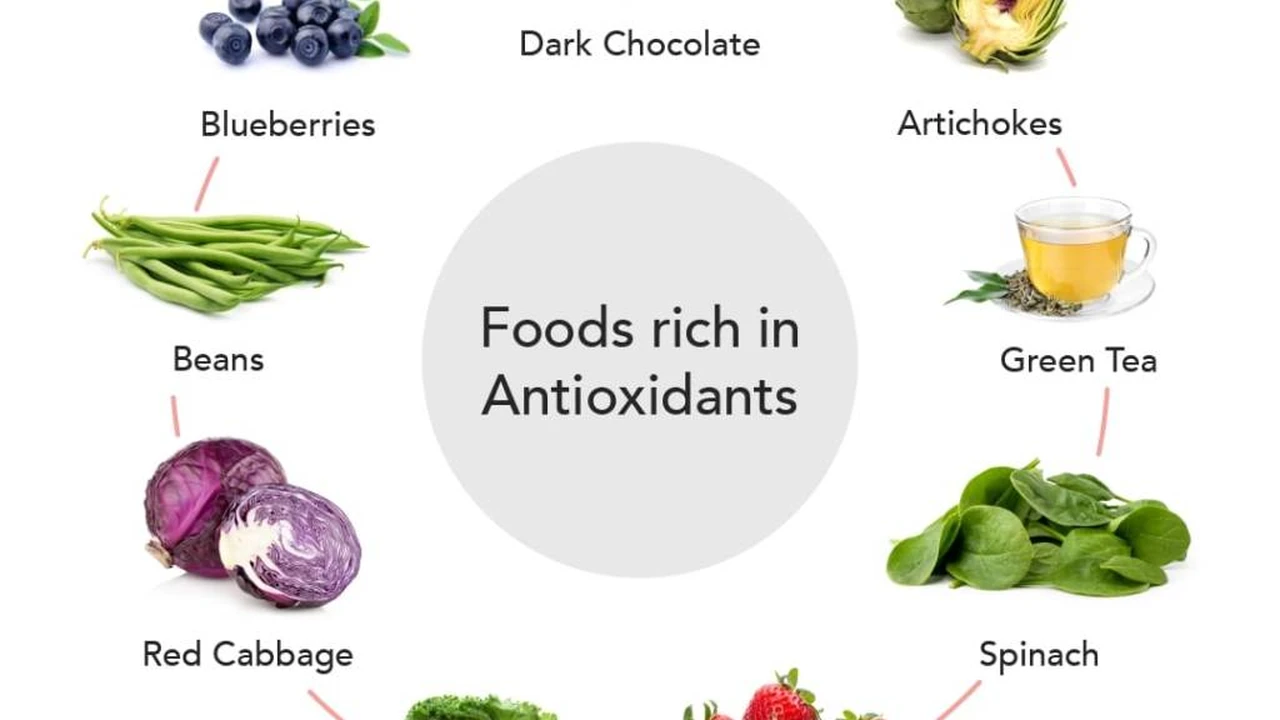
Blueberries are often hailed as a superfood, and it's no exaggeration. They're loaded with anthocyanins, which have been linked to improved brain function, memory, and protection against age-related cognitive decline. Studies have shown that regular consumption of blueberries can even help reduce the risk of neurodegenerative diseases. Beyond that, they're a good source of Vitamin C and K, and dietary fiber. You can toss them into your morning oatmeal, blend them into smoothies, or just snack on them fresh. They're versatile and delicious!
Strawberries Vitamin C Champions
Sweet and succulent, strawberries are another fantastic source of antioxidants, especially Vitamin C. This vitamin is a powerful antioxidant in its own right, crucial for immune function and skin health. Strawberries also contain ellagic acid, which has been studied for its potential anti-cancer properties. Enjoy them in salads, desserts, or simply on their own.
Raspberries and Blackberries Fiber Rich Antioxidant Bombs
Raspberries and blackberries are not only delicious but also incredibly rich in fiber, which is great for digestive health. They contain a high concentration of anthocyanins and ellagic acid, similar to strawberries. Their unique blend of antioxidants makes them excellent for reducing inflammation and supporting cardiovascular health. Add them to yogurt, cereals, or bake them into healthy muffins.
Dark Leafy Greens Your Everyday Longevity Boosters
Don't underestimate the power of greens! Dark leafy vegetables are nutritional powerhouses, brimming with vitamins, minerals, and a wide array of antioxidants that are essential for long-term health.
Spinach and Kale The Green Giants
Spinach and kale are perhaps the most well-known leafy greens, and for good reason. They're packed with antioxidants like lutein and zeaxanthin, which are particularly beneficial for eye health, protecting against age-related macular degeneration. They also contain beta-carotene, which converts to Vitamin A in the body, and a good amount of Vitamin K. Kale, in particular, is a cruciferous vegetable, meaning it also contains compounds that support detoxification pathways in the liver. You can sauté them, add them to smoothies (don't worry, you won't taste the kale!), or use them as a base for salads.
Swiss Chard and Collard Greens Underrated Heroes
While spinach and kale often steal the spotlight, Swiss chard and collard greens are equally impressive. Swiss chard is rich in betalains, unique antioxidants that give it its vibrant stems and have powerful anti-inflammatory properties. Collard greens, like kale, are cruciferous and offer similar detox-supporting benefits. These greens are fantastic when braised or added to soups and stews.
Nuts and Seeds Small but Mighty Protectors
Nuts and seeds might be small, but they pack a serious punch when it comes to antioxidants, healthy fats, and essential minerals. They're perfect for snacking or adding a nutritional boost to your meals.
Walnuts and Pecans Omega 3 and Polyphenol Powerhouses
Walnuts are unique among nuts for their high content of omega-3 fatty acids, which are crucial for brain health and reducing inflammation. They also contain a significant amount of polyphenols, a type of antioxidant that helps protect against oxidative damage. Pecans are another great source of polyphenols, particularly ellagic acid. A handful of these nuts daily can contribute significantly to your antioxidant intake. Sprinkle them on salads, yogurt, or enjoy them as a standalone snack.
Chia Seeds and Flaxseeds Lignan Rich Super Seeds
Chia seeds and flaxseeds are tiny but mighty. They are excellent sources of lignans, a type of polyphenol that has been linked to reduced risk of certain cancers and improved heart health. Both are also rich in omega-3s and fiber. Flaxseeds are best consumed ground to maximize nutrient absorption. Add them to smoothies, oatmeal, or use them as an egg substitute in baking.
Dark Chocolate The Indulgent Antioxidant Treat
Yes, you read that right! Dark chocolate, in moderation, can be a fantastic source of antioxidants. But we're talking about the good stuff here, not your average milk chocolate bar.
Choosing the Right Dark Chocolate
The key is to opt for dark chocolate with a high cocoa content, ideally 70% or higher. The higher the cocoa percentage, the more antioxidants it contains. Cocoa beans are incredibly rich in flavonoids and polyphenols, which have been shown to improve heart health, reduce blood pressure, and even enhance brain function. Just remember, moderation is key, as it still contains calories and some sugar. A small square (around 1 ounce) a day is usually sufficient to reap the benefits. Look for brands that prioritize ethical sourcing and minimal processing.
Beans and Legumes Fiber and Antioxidant Rich Staples
Often overlooked, beans and legumes are incredibly nutritious and a staple in many longevity-focused diets around the world. They're not just great sources of plant-based protein and fiber; they're also loaded with antioxidants.
Black Beans and Kidney Beans Anthocyanin Stars
Similar to berries, black beans and kidney beans get their dark color from anthocyanins, making them excellent sources of these powerful antioxidants. They also provide a good amount of fiber, iron, and magnesium. Regular consumption of beans has been linked to improved gut health, better blood sugar control, and reduced risk of chronic diseases. Incorporate them into chili, soups, salads, or make your own black bean burgers.
Lentils and Chickpeas Versatile and Nutritious
Lentils and chickpeas (garbanzo beans) are incredibly versatile and packed with various antioxidants, including polyphenols and flavonoids. They're also fantastic sources of plant-based protein and soluble fiber, which helps lower cholesterol. From hearty lentil soups to creamy hummus, there are countless ways to enjoy these longevity-boosting legumes.
Artichokes and Asparagus Unique Antioxidant Profiles
These vegetables might not be the first that come to mind, but they offer unique antioxidant benefits that are worth noting.
Artichokes Cynarin and Silymarin Power
Artichokes are rich in cynarin and silymarin, two powerful antioxidants that are particularly beneficial for liver health. They help protect liver cells from damage and support detoxification processes. Artichokes are also a good source of fiber. You can steam them, grill them, or add artichoke hearts to salads and pasta dishes.
Asparagus Glutathione Boosting Goodness
Asparagus is one of the best natural sources of glutathione, often referred to as the 'master antioxidant' because it plays a crucial role in detoxification and protecting cells from damage. It also contains a good amount of Vitamin K and folate. Enjoy asparagus steamed, roasted, or grilled as a delicious and healthy side dish.
Green Tea The Ancient Elixir of Longevity
While not a food in the traditional sense, green tea deserves a special mention due to its incredibly high concentration of powerful antioxidants, particularly catechins, with epigallocatechin gallate (EGCG) being the most prominent.
EGCG The Star Antioxidant in Green Tea
EGCG in green tea has been extensively studied for its wide range of health benefits, including its ability to reduce inflammation, protect against cellular damage, support brain health, and even aid in weight management. Regular consumption of green tea has been linked to a reduced risk of heart disease, certain cancers, and neurodegenerative disorders. It's a simple yet effective way to boost your daily antioxidant intake. Aim for 2-3 cups a day for optimal benefits. You can enjoy it hot or iced.
Integrating Antioxidant Rich Foods into Your Daily Life
So, now you know about some of the best antioxidant-rich foods out there. The real magic happens when you consistently incorporate them into your daily diet. It's not about perfection, but about making small, sustainable changes. Think about adding a handful of berries to your breakfast, snacking on nuts, or making a big salad with dark leafy greens for lunch. Swap out sugary drinks for green tea. These small shifts can add up to significant health benefits over time.
Remember, variety is key! Different foods offer different types of antioxidants, so eating a wide range of colorful fruits, vegetables, nuts, seeds, and legumes will ensure you're getting a broad spectrum of protective compounds. Your body will thank you for it, not just today, but for many healthy years to come. Keep exploring, keep experimenting, and most importantly, keep nourishing your body with these incredible gifts from nature!
Recommended Products for Boosting Antioxidant Intake
While whole foods are always the best source of antioxidants, sometimes supplements can help bridge nutritional gaps or provide concentrated doses for specific needs. Here are a few product categories and specific recommendations, along with their typical use cases and price ranges. Remember to always consult with a healthcare professional before starting any new supplement regimen.
1. High-Quality Berry Powders and Extracts
Use Case: Great for adding a concentrated dose of berry antioxidants to smoothies, yogurt, or oatmeal, especially when fresh berries are out of season or less accessible. They offer convenience and a potent nutrient boost.
- Product A: Organic Freeze-Dried Wild Blueberry Powder
- Brand: KOS Organic Superfoods
- Description: Made from wild blueberries, which are often richer in antioxidants than cultivated ones. Freeze-drying preserves nutrients effectively.
- Typical Price: $25-$35 for a 4-6 oz bag.
- Comparison: Higher anthocyanin content than many cultivated blueberry powders. Good for brain health and overall cellular protection.
- Product B: Acai Berry Powder (Organic)
- Brand: Navitas Organics
- Description: Acai berries are known for their exceptionally high antioxidant content (ORAC value). This powder is great for acai bowls or smoothies.
- Typical Price: $15-$25 for an 8 oz bag.
- Comparison: Offers a different spectrum of antioxidants compared to blueberries, with a focus on healthy fats as well.
2. Green Tea Extracts and Matcha
Use Case: For those who want a higher concentration of EGCG than regular brewed green tea, or for convenience on the go. Matcha provides the whole leaf, offering more antioxidants and L-theanine.
- Product A: Standardized Green Tea Extract Capsules
- Brand: NOW Foods EGCg Green Tea Extract
- Description: Standardized to contain a specific amount of EGCG (e.g., 200mg per capsule), ensuring consistent potency.
- Typical Price: $15-$25 for 90-120 capsules.
- Comparison: Offers a precise dose of EGCG without the caffeine of multiple cups of tea (though some versions are decaffeinated). Convenient for travel.
- Product B: Ceremonial Grade Matcha Green Tea Powder
- Brand: Encha Ceremonial Grade Matcha
- Description: High-quality matcha, ground from shade-grown tea leaves, retaining maximum chlorophyll and L-theanine.
- Typical Price: $25-$40 for a 1 oz tin.
- Comparison: Provides the full spectrum of green tea benefits, including fiber and a sustained energy boost from L-theanine, which balances caffeine. More of a ritualistic experience.
3. Whole Food Antioxidant Blends
Use Case: Comprehensive blends that combine various antioxidant-rich fruits, vegetables, and superfoods into one convenient powder. Ideal for those looking for a broad spectrum of nutrients.
- Product A: Superfood Greens & Reds Powder
- Brand: Athletic Greens AG1
- Description: While pricey, AG1 is a popular comprehensive blend that includes a wide array of antioxidant-rich fruits, vegetables, herbs, and probiotics.
- Typical Price: $79-$99 for a 30-serving pouch.
- Comparison: Very comprehensive, but also a significant investment. Good for those who want an all-in-one solution for daily nutrition and antioxidant support.
- Product B: Organic Reds Superfood Powder
- Brand: Organifi Red Juice
- Description: Focuses on red and purple fruits and vegetables known for their high antioxidant content, such as acai, beet, pomegranate, and cranberry.
- Typical Price: $50-$65 for a 30-serving container.
- Comparison: More targeted towards fruit-derived antioxidants than a full greens blend. Often tastes better due to the fruit content.
4. Specific Antioxidant Supplements (e.g., Resveratrol, Astaxanthin)
Use Case: For individuals looking to target specific pathways or provide additional support beyond diet. These are often more concentrated forms of individual antioxidants.
- Product A: Trans-Resveratrol Supplement
- Brand: Thorne Research ResveraCel
- Description: Contains trans-resveratrol, a potent polyphenol found in red wine and grapes, known for its anti-aging and cellular health benefits. Often combined with NAD+ precursors.
- Typical Price: $40-$60 for 60 capsules.
- Comparison: Focuses on a specific, well-researched antioxidant. Thorne is known for high-quality, pure ingredients.
- Product B: Astaxanthin Supplement
- Brand: BioAstin Hawaiian Astaxanthin
- Description: Derived from microalgae, astaxanthin is one of the most powerful carotenoid antioxidants, known for its benefits to skin, eye, and brain health.
- Typical Price: $20-$35 for 60-120 softgels.
- Comparison: Extremely potent, often cited as significantly stronger than Vitamin E or beta-carotene in antioxidant activity. Great for UV protection and reducing oxidative stress.
When choosing any of these products, always look for third-party testing certifications (like NSF, USP) to ensure purity and potency. Read reviews, check ingredient lists for unnecessary fillers, and consider your individual dietary needs and health goals. While these products can be helpful, remember they are supplements, not replacements, for a diet rich in whole, antioxidant-packed foods!
:max_bytes(150000):strip_icc()/277019-baked-pork-chops-with-cream-of-mushroom-soup-DDMFS-beauty-4x3-BG-7505-5762b731cf30447d9cbbbbbf387beafa.jpg)