The Best Sleep Tracking Devices for Stress Management
Monitor and improve your sleep with the best sleep tracking devices. Understand how sleep impacts stress levels.
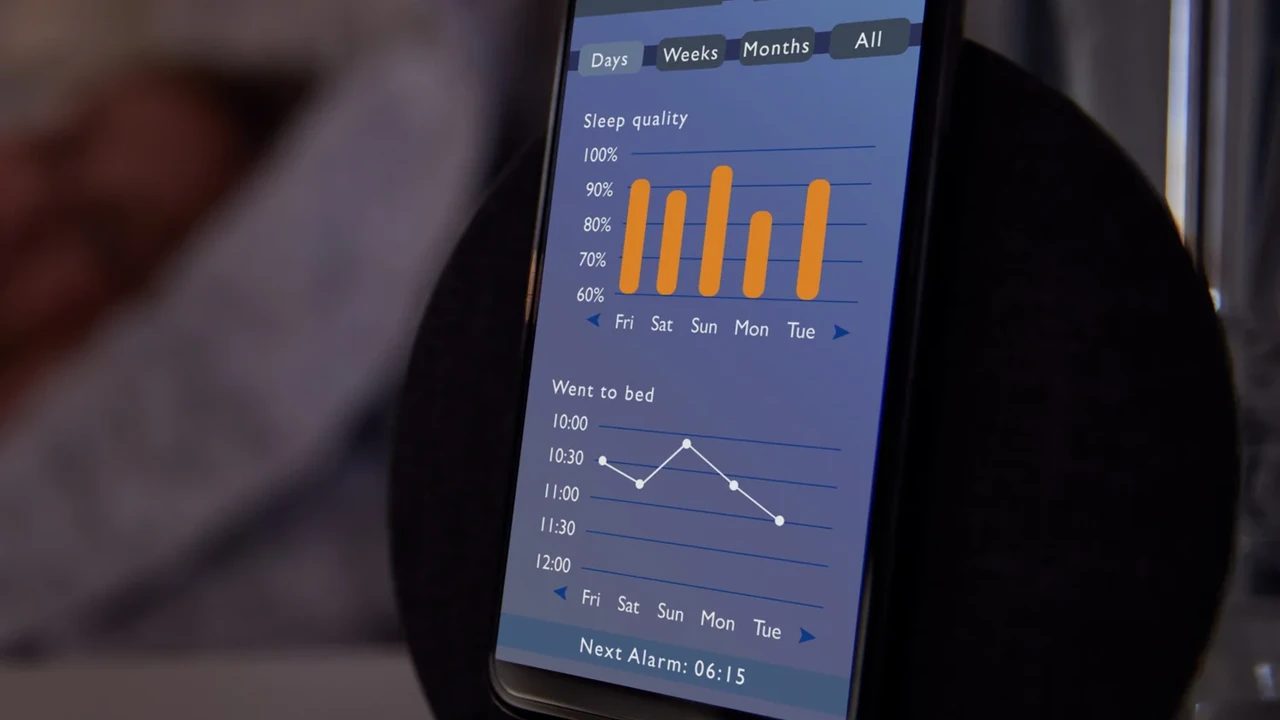
Monitor and improve your sleep with the best sleep tracking devices. Understand how sleep impacts stress levels.
The Best Sleep Tracking Devices for Stress Management
Why Sleep Tracking Matters for Stress Management and Overall Wellness
In our fast-paced world, stress has become an unwelcome constant for many. While we often focus on managing stress during our waking hours, the profound impact of sleep on our stress levels and overall well-being is frequently overlooked. Quality sleep is not just about feeling rested; it's a critical period for physical and mental restoration, hormone regulation, and emotional processing. When sleep is compromised, our ability to cope with stress diminishes, creating a vicious cycle where stress disrupts sleep, and poor sleep exacerbates stress. This is where sleep tracking devices come into play, offering invaluable insights into our nocturnal habits and empowering us to make informed decisions for better sleep and, consequently, better stress management.
Understanding your sleep patterns goes beyond simply knowing how many hours you spend in bed. Modern sleep trackers can delve into the intricacies of your sleep architecture, identifying time spent in light, deep, and REM sleep stages. They can detect disturbances like restless leg syndrome, sleep apnea indicators, and even subtle changes in heart rate variability (HRV) and breathing patterns. These metrics are crucial because different sleep stages serve distinct restorative functions. Deep sleep, for instance, is vital for physical recovery and growth hormone release, while REM sleep is essential for emotional regulation, memory consolidation, and cognitive function. Disruptions in these stages can directly impact your mood, cognitive performance, and resilience to stress the following day.
Moreover, sleep tracking can help you identify triggers for poor sleep. Are you consistently getting less deep sleep after late-night screen time? Does your heart rate remain elevated during sleep after a particularly stressful day? By correlating your sleep data with your daily activities and stress levels, you can pinpoint habits that are detrimental to your rest and proactively address them. This data-driven approach transforms sleep from a passive activity into an active component of your stress management strategy, allowing for targeted interventions and a more holistic approach to your health.
Comparing Top Sleep Tracking Devices for Biohacking Your Rest
The market for sleep tracking devices has exploded, offering a wide array of options from wearables to under-mattress sensors. Each comes with its unique set of features, accuracy levels, and price points. Choosing the right device depends on your personal preferences, budget, and the specific insights you're looking to gain. Let's dive into some of the leading contenders, comparing their functionalities, user experience, and suitability for stress management.
Oura Ring Gen3: The Discreet and Data-Rich Wearable
The Oura Ring has become a favorite among biohackers and wellness enthusiasts for its discreet design and comprehensive data. Worn on your finger, it tracks a multitude of metrics including sleep stages (light, deep, REM), heart rate, heart rate variability (HRV), respiratory rate, body temperature, and movement. Its algorithms are highly regarded for their accuracy in sleep stage detection, providing a detailed breakdown of your night's rest.
- Key Features: Advanced sleep staging, readiness score (combining sleep, activity, and HRV), body temperature deviation, period prediction for women, guided meditations.
- Stress Management Insights: The Oura Ring's HRV tracking is particularly valuable for stress management. A lower HRV often indicates higher stress or fatigue, while a higher HRV suggests better recovery and resilience. The readiness score provides an immediate snapshot of your body's recovery status, helping you decide whether to push hard or prioritize rest. Its temperature tracking can also indicate illness or hormonal shifts that impact sleep and stress.
- User Experience: Lightweight and comfortable, making it easy to wear 24/7. The app is intuitive, presenting complex data in an easy-to-understand format with actionable insights.
- Price: Approximately $299 - $349, plus a monthly membership fee ($5.99/month) for full data access.
- Use Case: Ideal for individuals who want continuous, highly accurate sleep and recovery data without wearing a bulky wrist device. Excellent for those serious about biohacking their sleep and stress.
Whoop 4.0: The Performance and Recovery Powerhouse
Whoop is another popular wearable, often favored by athletes and those focused on optimizing performance and recovery. It's worn on the wrist or bicep and provides continuous monitoring of heart rate, HRV, skin temperature, and sleep. Whoop's strength lies in its emphasis on recovery, providing a daily recovery score that guides your training and rest decisions.
- Key Features: Detailed sleep staging, recovery score, strain score (measures daily exertion), sleep coaching, journal feature to track behaviors impacting sleep.
- Stress Management Insights: Whoop's recovery score is a direct indicator of your body's ability to handle stress and exertion. If your recovery is low, it's a clear signal to prioritize rest and reduce stressors. The sleep coaching feature helps you optimize your sleep schedule based on your recovery needs. Its journal allows you to log activities like meditation, caffeine intake, or stressful events and see their correlation with your sleep and recovery.
- User Experience: Comfortable strap, though some may prefer a ring. The app is comprehensive and data-rich, catering to users who want deep dives into their physiological metrics.
- Price: Subscription-based, starting around $30/month with a minimum commitment. The device itself is included with the subscription.
- Use Case: Best for individuals who are highly active, athletes, or anyone who wants a detailed understanding of their physiological recovery and how it relates to their daily stress and performance.
Garmin Smartwatches (e.g., Fenix, Forerunner, Venu series): The All-Rounder
Garmin offers a wide range of smartwatches that excel in fitness tracking but also provide robust sleep monitoring. While not solely dedicated sleep trackers, their integration of sleep data with overall health metrics makes them a compelling option for many.
- Key Features: Sleep score, sleep stages, Pulse Ox (blood oxygen saturation), respiration rate, Body Battery (energy levels), stress tracking, extensive sports tracking.
- Stress Management Insights: Garmin's stress tracking feature, based on HRV, provides real-time insights into your stress levels throughout the day. This data, combined with your sleep score and Body Battery, offers a holistic view of your energy reserves and recovery. Poor sleep will directly impact your Body Battery, indicating reduced readiness for stress.
- User Experience: Varies by model, but generally robust and user-friendly. The Garmin Connect app provides detailed insights into all tracked metrics.
- Price: Varies widely by model, from $150 to $1000+. No subscription required for core features.
- Use Case: Excellent for individuals who want a versatile device that combines comprehensive fitness tracking with solid sleep and stress monitoring. Good for those who prefer a traditional smartwatch form factor.
Withings Sleep Analyzer: The Non-Wearable Solution
For those who prefer not to wear a device to bed, the Withings Sleep Analyzer is an excellent under-mattress sensor. It's placed directly under your mattress and tracks sleep cycles, heart rate, breathing disturbances (including sleep apnea detection), and snoring.
- Key Features: Sleep cycles (deep, light, REM), heart rate, breathing disturbances, snoring detection, sleep score, smart home integration (e.g., dimming lights when you get into bed).
- Stress Management Insights: By identifying breathing disturbances and snoring, the Withings Sleep Analyzer can alert you to potential sleep apnea, a significant stressor on the body. Its detailed sleep stage analysis helps you understand if you're getting enough restorative sleep. The passive nature means no user interaction is required once set up.
- User Experience: Completely passive, so you don't feel it. Data is automatically synced to the Health Mate app, which is user-friendly and provides clear insights.
- Price: Approximately $129.95. No subscription required.
- Use Case: Ideal for individuals who dislike wearing devices to bed but still want accurate and detailed sleep tracking, especially those concerned about sleep apnea or snoring.
Fitbit Devices (e.g., Sense, Charge series): The User-Friendly Option
Fitbit has long been a leader in consumer-friendly fitness trackers, and their sleep tracking capabilities are robust and easy to understand. Many Fitbit models offer detailed sleep stage tracking and a daily sleep score.
- Key Features: Sleep score, sleep stages, estimated oxygen variation (can indicate breathing disturbances), skin temperature (Sense model), stress management score (Sense model), guided meditations.
- Stress Management Insights: The Fitbit Sense, in particular, offers an electrodermal activity (EDA) sensor to detect stress responses and provides a daily stress management score. This, combined with sleep data, helps you see the interplay between your daily stress and nocturnal recovery. The guided meditations within the app can also be a valuable tool for winding down before bed.
- User Experience: Very user-friendly app and devices. Data is presented clearly, making it accessible for beginners.
- Price: Varies by model, from $100 to $300. Some advanced features may require a Fitbit Premium subscription ($9.99/month).
- Use Case: Great for general users who want a straightforward, easy-to-understand sleep tracker with additional health and stress management features.
Beyond the Metrics: Practical Application of Sleep Data for Stress Reduction
Having access to detailed sleep data is only the first step. The real power lies in how you interpret and act upon that information to actively manage your stress. Here's how to leverage your sleep tracker for tangible improvements:
Identifying Sleep Debt and Prioritizing Rest
Many sleep trackers provide a 'sleep debt' metric or a similar indicator of how much sleep you're missing relative to your needs. Consistently accumulating sleep debt is a direct pathway to increased stress, irritability, and reduced cognitive function. If your tracker consistently shows you're falling short, it's a clear signal to re-evaluate your schedule. Can you go to bed 30 minutes earlier? Can you incorporate a short power nap? Prioritizing rest, even when busy, is a non-negotiable for effective stress management.
Optimizing Your Sleep Environment and Routine
Your sleep data can reveal how your environment impacts your rest. For example, if your deep sleep is consistently low, consider if your bedroom is truly dark enough, quiet enough, or at the optimal temperature. If your heart rate remains elevated during sleep, perhaps your pre-bed routine is too stimulating. Use the data to experiment: try blackout curtains, a white noise machine, or a cooler room temperature. Observe how these changes reflect in your sleep metrics. Similarly, if your tracker shows fragmented sleep after late-night meals or alcohol, adjust those habits.
Monitoring Heart Rate Variability (HRV) as a Stress Indicator
HRV is a powerful biomarker for your autonomic nervous system's balance, which directly reflects your stress and recovery status. A higher HRV generally indicates better resilience to stress and good recovery, while a lower HRV can signal fatigue, overtraining, or high stress. Many advanced trackers like Oura and Whoop provide excellent HRV tracking. Pay attention to trends: a sustained drop in HRV, even with seemingly adequate sleep, could indicate chronic stress or impending illness. Use this insight to adjust your daily demands, incorporate more relaxation techniques, or seek professional advice if needed.
Correlating Daily Activities with Sleep Quality
Most sleep tracking apps allow you to log daily activities, mood, or even specific stressors. Take advantage of this feature. Did a particularly stressful meeting impact your deep sleep that night? Did a late-night workout elevate your resting heart rate during sleep? By drawing these correlations, you gain a deeper understanding of how specific stressors or lifestyle choices affect your sleep quality. This personalized insight is far more effective than generic advice, allowing you to tailor your stress management strategies to your unique physiological responses.
Leveraging Sleep Coaching and Readiness Scores
Many premium sleep trackers offer personalized sleep coaching or readiness scores. These features synthesize your data into actionable recommendations. For instance, if your readiness score is low, the device might suggest a lighter workout or more rest. If your sleep consistency is poor, it might prompt you to establish a more regular bedtime. Trust these insights as they are based on your body's real-time physiological signals, guiding you towards optimal recovery and stress resilience.
Integrating with Mindfulness and Relaxation Practices
Sleep trackers can also be a powerful tool for reinforcing mindfulness and relaxation practices. If your tracker shows high stress levels before bed, or difficulty falling asleep, use the data as a cue to engage in calming activities. Many apps integrate with guided meditations, breathing exercises, or soundscapes. Track how these practices impact your sleep onset latency (how long it takes to fall asleep) or your sleep efficiency. Seeing tangible improvements in your sleep metrics can be a powerful motivator to consistently incorporate these stress-reducing habits.
Potential Pitfalls and Considerations for Accurate Sleep Tracking
While sleep tracking devices offer immense benefits, it's important to approach them with a balanced perspective. They are tools to provide insights, not definitive diagnoses. Here are some considerations to keep in mind:
Accuracy Limitations and Variability
No consumer-grade sleep tracker is as accurate as a polysomnography (PSG) test conducted in a sleep lab, which is the gold standard for sleep diagnosis. While devices have improved significantly, their accuracy in precisely identifying sleep stages can vary. Focus on trends and patterns over time rather than obsessing over minute-by-minute data. If a device consistently shows poor sleep, it's a strong indicator, even if the exact percentages of sleep stages aren't perfectly aligned with a lab test.
The Risk of Orthosomnia
Orthosomnia is a term coined by researchers to describe the obsession with achieving perfect sleep, often fueled by sleep tracking data. This can lead to increased anxiety about sleep, paradoxically making it harder to fall asleep. Remember, sleep trackers are meant to be helpful guides, not sources of stress. If you find yourself overly anxious about your sleep scores, consider taking a break from tracking or focusing only on key metrics like total sleep time and consistency.
Data Overload and Interpretation
Some devices provide a vast amount of data, which can be overwhelming for new users. Focus on the metrics that are most relevant to your goals (e.g., HRV for stress, deep sleep for physical recovery). Most apps do a good job of summarizing data into actionable scores, but it's still important to understand the basics of what each metric means.
Device Comfort and Consistency
For wearables, comfort is key. If a device is uncomfortable, you're less likely to wear it consistently, which defeats the purpose of tracking. Ensure the device fits well and doesn't disrupt your sleep. For under-mattress sensors, ensure proper placement for accurate readings.
Battery Life and Charging Habits
Consider the battery life of wearable devices. If you need to charge it every night, it might interfere with continuous tracking. Devices like the Oura Ring offer several days of battery life, making continuous wear easier. Plan your charging schedule to ensure uninterrupted data collection.
Privacy Concerns
Sleep tracking devices collect sensitive personal health data. Before purchasing, review the company's privacy policy to understand how your data is stored, used, and protected. Ensure you are comfortable with their practices.
The Future of Sleep Tracking and Stress Management Integration
The field of sleep tracking is continuously evolving, with exciting advancements on the horizon. We can expect even greater accuracy, more sophisticated algorithms, and deeper integration with other health and wellness platforms. Imagine a future where your sleep tracker seamlessly communicates with your smart home, adjusting lighting and temperature for optimal sleep onset, or where AI-powered coaches provide real-time, personalized interventions based on your stress and sleep patterns.
The emphasis will likely shift further from just tracking to proactive intervention. Devices may become more adept at predicting periods of high stress or potential sleep disturbances, offering preventative strategies before issues arise. Integration with mental health apps and telehealth services could also become more common, creating a holistic ecosystem for managing stress and optimizing well-being.
Ultimately, sleep tracking devices are powerful allies in our quest for better stress management and overall health. By providing objective data and actionable insights, they empower us to take control of our sleep, understand its profound impact on our stress levels, and make informed choices that lead to a more rested, resilient, and vibrant life. Embrace the technology, but always listen to your body first, using the data as a guide to enhance your innate wisdom about what you need for optimal well-being.
:max_bytes(150000):strip_icc()/277019-baked-pork-chops-with-cream-of-mushroom-soup-DDMFS-beauty-4x3-BG-7505-5762b731cf30447d9cbbbbbf387beafa.jpg)