Top 10 Plants for Improving Indoor Air Quality
Enhance indoor air quality naturally with the top 10 plants. Discover the best greenery for a healthier home environment.
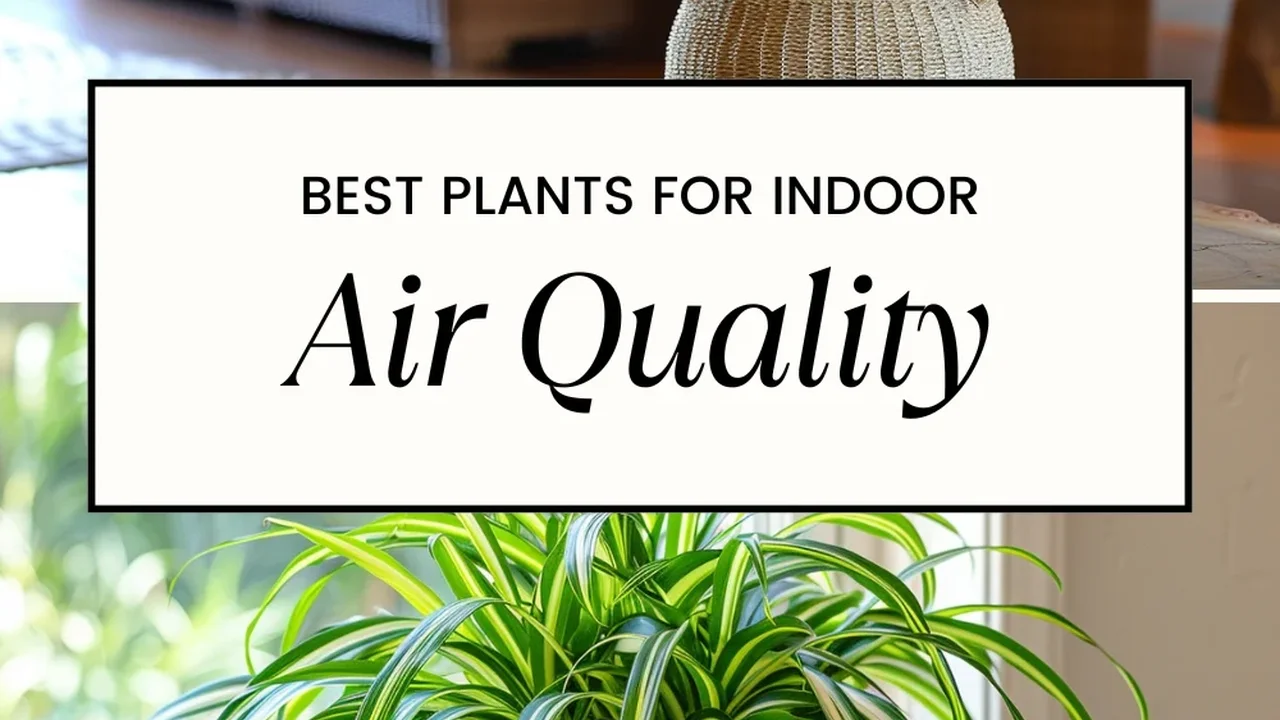
Enhance indoor air quality naturally with the top 10 plants. Discover the best greenery for a healthier home environment.
Top 10 Plants for Improving Indoor Air Quality
The Silent Threat Understanding Indoor Air Pollution
Hey everyone! Let's talk about something super important that often gets overlooked: the air we breathe inside our homes. We spend so much time indoors, whether it's working, relaxing, or sleeping, and the quality of that air directly impacts our health and well-being. You might think your home is a safe haven, but it can actually be a hotbed for various pollutants. Think about it: volatile organic compounds (VOCs) off-gassing from furniture, paints, and cleaning products; formaldehyde from carpets and building materials; benzene from plastics and synthetic fibers; trichloroethylene from inks and solvents; and even carbon monoxide from faulty appliances. These aren't just abstract scientific terms; they're real chemicals that can cause everything from headaches and fatigue to more serious long-term health issues like respiratory problems and even cancer. And it's not just chemicals; dust mites, pet dander, mold spores, and bacteria also contribute to poor indoor air quality. The scary part is, you often can't see or smell these pollutants, making them silent threats. That's why it's crucial to find natural, effective ways to combat them. And guess what? Nature has already provided us with some amazing solutions: plants! Yes, those leafy green friends can do more than just look pretty; they're incredible natural air purifiers. They absorb toxins through their leaves and roots, converting them into harmless substances. It's like having a tiny, living air filter in every room. So, let's dive into the top 10 plants that are not just beautiful additions to your home but also powerful allies in your quest for cleaner, healthier indoor air.
NASA's Clean Air Study The Science Behind Plant Power
Before we jump into the list, let's give a shout-out to the folks who really put plants on the map for air purification: NASA. Back in 1989, NASA conducted a groundbreaking study called the 'Clean Air Study.' Their goal was to find ways to purify the air in space stations, and they discovered that common houseplants are incredibly effective at removing airborne toxins. This study was a game-changer, proving scientifically what many plant enthusiasts intuitively knew. They specifically looked at how plants could remove VOCs like formaldehyde, benzene, and trichloroethylene from sealed environments. The results were impressive, showing that certain plants could significantly reduce the concentration of these harmful chemicals. It's not just the leaves doing the work; the microorganisms in the potting soil also play a crucial role in breaking down toxins. So, when we talk about plants cleaning the air, we're talking about a whole ecosystem working together. This scientific backing gives us confidence that bringing these green companions into our homes isn't just a decorative choice but a smart health decision. Now, let's get to the stars of the show!
The Top 10 Air Purifying Plants for Your Home Environment
1. Snake Plant Sansevieria trifasciata The Bedroom Buddy
First up, the mighty Snake Plant, also known as Mother-in-Law's Tongue. This plant is an absolute superstar, especially for your bedroom. Why? Because unlike most plants that release oxygen during the day, the Snake Plant does it at night! This makes it perfect for improving nighttime air quality and helping you get a better night's sleep. It's also incredibly low-maintenance, tolerating low light and infrequent watering, making it ideal for beginners or those with a black thumb. It's a champion at removing formaldehyde, benzene, trichloroethylene, and xylene. You can find these almost anywhere, from local nurseries to big box stores like Home Depot or Lowe's. Prices typically range from $15 for a small pot to $50+ for a larger, more mature plant. For a good quality, healthy plant, I'd recommend checking out The Sill's Snake Plant Laurentii, usually around $30-$40 for a 6-inch pot. They also offer stylish planters. Another great option is Costa Farms, often available at Walmart or Target, offering good value.
2. Spider Plant Chlorophytum comosum The Easy Care Air Cleaner
The Spider Plant is another fantastic choice, especially if you're new to plant parenting. They're super easy to care for and incredibly effective at removing formaldehyde and xylene. Plus, they produce 'spiderettes' or baby plants that dangle from the mother plant, making them fun to propagate and share with friends. They thrive in bright, indirect light and appreciate consistent watering. You can often find small spider plants for as little as $5-$10 at local nurseries or even grocery stores. For a slightly larger, more established plant, expect to pay around $15-$25. Check out Etsy for unique varieties and small growers, or your local Lowe's or Home Depot garden center.
3. Peace Lily Spathiphyllum The Elegant Purifier
Peace Lilies are not only beautiful with their elegant white blooms but also powerful air purifiers. They excel at removing a wide range of toxins, including ammonia, benzene, formaldehyde, and trichloroethylene. They prefer low to medium light and consistent moisture, making them a great choice for bathrooms or offices. Be aware that they are toxic to pets if ingested, so place them out of reach if you have furry friends. Prices vary depending on size, from $20 for a small plant to $60+ for a large, mature one. Bloomscape offers well-packaged, healthy Peace Lilies, typically around $40-$50 for a medium size. You can also find them at most florists and garden centers.
4. Boston Fern Nephrolepis exaltata The Humidity Lover
If you're looking for a plant that loves humidity and is excellent at removing formaldehyde and xylene, the Boston Fern is your go-to. They're perfect for bathrooms or kitchens where humidity levels are naturally higher. They require consistent moisture and bright, indirect light. They can be a bit finicky about drying out, so keep an eye on their soil. Small Boston Ferns can be found for $10-$20, while larger hanging baskets might cost $30-$50. Your local nursery is often the best place to find healthy, lush Boston Ferns. Online, Plant Delights Nursery sometimes has unique varieties.
5. Areca Palm Dypsis lutescens The Natural Humidifier
The Areca Palm is a fantastic choice for larger spaces, not only for its air-purifying capabilities but also for its ability to add humidity to the air, which is great for dry climates or during winter months. It's effective at removing benzene, formaldehyde, and carbon monoxide. Areca Palms prefer bright, indirect light and consistent watering. They can grow quite large, so make sure you have enough space. A small Areca Palm might cost $25-$40, while a larger, floor-standing plant can be $70-$150+. Costa Farms often supplies these to major retailers, offering good value. For a premium, well-established plant, consider a specialized plant shop.
6. Golden Pothos Epipremnum aureum The Versatile Vine
Golden Pothos is incredibly popular for a reason: it's super hardy, adaptable to various light conditions (though it prefers bright, indirect light), and excellent at removing formaldehyde, benzene, carbon monoxide, and xylene. Its trailing vines make it perfect for hanging baskets or shelves. It's also very easy to propagate. You can find small Pothos plants for as little as $5-$15, making them a very budget-friendly option. Larger, more mature plants with long vines might be $20-$40. Almost every plant store, nursery, and even many supermarkets carry Golden Pothos. For a wide selection of sizes and variegations, check out Etsy sellers.
7. Chinese Evergreen Aglaonema The Low Light Champion
If you have a spot with low light, the Chinese Evergreen is your friend. These beautiful plants come in various striking patterns and colors and are excellent at removing benzene and formaldehyde. They're very forgiving and can tolerate some neglect, making them great for busy individuals. They prefer consistent moisture but don't like to be waterlogged. Prices range from $15 for a small plant to $50+ for a larger, more decorative variety. Bloomscape has some lovely varieties, or you can find them at most garden centers.
8. Dracaena Dracaena fragrans The Tall and Striking Purifier
Dracaenas are a diverse group of plants, many of which are excellent air purifiers. They're particularly good at removing benzene, formaldehyde, trichloroethylene, and xylene. They come in various sizes and leaf patterns, from tall, tree-like varieties to bushier forms. They generally prefer medium to bright indirect light and consistent watering. Be careful not to overwater. Prices vary widely based on size and species, from $20 for a small plant to $100+ for a large floor plant. Popular varieties include Dracaena 'Marginata' (Dragon Tree) and Dracaena 'Massangeana' (Corn Plant). You can find a good selection at Home Depot or Lowe's, or for more unique types, try a specialized plant nursery.
9. Kimberly Queen Fern Nephrolepis obliterata The Robust Fern
Similar to the Boston Fern but often more robust and easier to care for, the Kimberly Queen Fern is another excellent choice for removing formaldehyde and xylene. It has a more upright growth habit, making it a great floor plant or for a large pot. It thrives in bright, indirect light and consistent moisture. These ferns are generally quite hardy. Expect to pay $20-$40 for a good-sized plant. Local nurseries often have the healthiest specimens, but you can also find them at larger garden centers.
10. English Ivy Hedera helix The Climbing Cleaner
English Ivy is a classic, versatile plant that's great for hanging baskets or letting it trail. It's particularly effective at removing airborne fecal matter particles and formaldehyde, making it a good choice for bathrooms or areas with pets. It prefers medium to bright indirect light and consistent moisture. Be aware that it can be invasive outdoors in some regions and is toxic if ingested, so keep it away from pets and children. Small English Ivy plants are very affordable, often $5-$15. Larger, more established plants might be $20-$30. You can find them almost anywhere plants are sold.
Beyond the Top 10 Maximizing Your Plant's Air Purifying Power
So, you've got your plants, now what? It's not just about having them; it's about placing them strategically and caring for them properly to maximize their air-purifying potential. Here are some tips:
Placement Matters Strategic Plant Positioning
Think about where pollutants are most likely to accumulate. For example, a Snake Plant in the bedroom is great for nighttime oxygen. Peace Lilies or Boston Ferns in the bathroom can help with mold spores and humidity. In living areas where you might have new furniture or electronics, plants like Dracaenas or Golden Pothos can tackle VOCs. Aim for a good distribution of plants throughout your home, rather than clustering them all in one spot. A general rule of thumb from the NASA study suggests having at least one plant per 100 square feet of living space, but more is always better if you have the room and light.
Potting and Soil The Foundation of Healthy Plants
The right pot and soil are crucial. Ensure your pots have drainage holes to prevent root rot. Use a good quality potting mix that allows for proper aeration and drainage. The microorganisms in the soil play a significant role in breaking down toxins, so healthy soil means a healthier plant and better air purification. Consider using organic potting mixes to avoid introducing more chemicals into your home.
Light and Water The Essential Elements
Each plant has specific light and water requirements. While some are low-light tolerant, most air-purifying plants thrive in bright, indirect light. Overwatering is a common killer, so always check the soil moisture before watering. Stick your finger about an inch or two into the soil; if it feels dry, it's time to water. If it's still damp, wait a bit longer. Proper watering ensures the plant's metabolic processes are working efficiently, which includes its air-purifying functions.
Cleaning Leaves Keeping Them Dust-Free
Dust can accumulate on plant leaves, blocking their pores and reducing their ability to absorb toxins and perform photosynthesis. Regularly wipe down your plant leaves with a damp cloth. This not only keeps them looking good but also helps them breathe and work more effectively as air purifiers.
Fertilization and Pest Control Nurturing Your Green Friends
Feed your plants with a balanced fertilizer during their growing season (spring and summer) to keep them healthy and vigorous. Healthy plants are better at purifying air. Also, keep an eye out for pests. A healthy plant is more resistant to pests, but if you spot any, address them quickly with natural pest control methods like neem oil or insecticidal soap to avoid introducing more chemicals into your home.
Beyond Plants Complementary Air Quality Solutions
While plants are amazing, they're part of a holistic approach to indoor air quality. Here are a few other things you can do to complement your plant army:
Ventilation Opening Windows and Air Circulation
The simplest and often most effective way to improve indoor air quality is to open your windows! Even for a few minutes each day, especially when cooking or cleaning, fresh air can significantly dilute indoor pollutants. Use exhaust fans in bathrooms and kitchens to remove moisture and odors.
Air Purifiers When Technology Helps
For areas with higher pollution levels or if you have allergies/asthma, a good quality air purifier can be a great addition. Look for models with HEPA filters for particulate matter and activated carbon filters for VOCs. Some popular and effective models include:
- Coway Airmega 200M: This is a highly-rated, reliable option for medium to large rooms. It features a four-stage filtration system (pre-filter, activated carbon, HEPA, and ionizer). It's quiet and efficient. Price: ~$200-$250. Available on Amazon and Coway's website.
- Levoit Core 300S: A more budget-friendly option for smaller rooms, but still very effective. It has a 3-in-1 filtration system (pre-filter, HEPA, activated carbon). It's compact and quiet. Price: ~$100-$120. Available on Amazon and Levoit's website.
- Blueair Blue Pure 211+ Auto: Great for larger spaces, this one has a washable pre-filter and a combination particle + carbon filter. It's known for its high CADR (Clean Air Delivery Rate) and stylish design. Price: ~$250-$300. Available on Amazon and Blueair's website.
Reducing Sources of Pollution Mindful Choices
The best way to deal with indoor air pollution is to prevent it in the first place. Choose low-VOC paints and furniture, use natural cleaning products, avoid synthetic air fresheners, and ensure proper ventilation when using gas stoves or fireplaces. Regular vacuuming with a HEPA-filtered vacuum can also help reduce dust and allergens.
Embrace the Green Life for a Healthier You
Bringing plants into your home is one of the simplest, most beautiful, and most effective ways to improve your indoor air quality. They're not just decorative; they're living air purifiers, working tirelessly to remove harmful toxins and release fresh oxygen. By choosing the right plants, placing them strategically, and giving them the care they need, you're investing in your health and creating a more vibrant, breathable living space. So go ahead, embrace the green life, and breathe a little easier knowing your leafy friends are on duty!
:max_bytes(150000):strip_icc()/277019-baked-pork-chops-with-cream-of-mushroom-soup-DDMFS-beauty-4x3-BG-7505-5762b731cf30447d9cbbbbbf387beafa.jpg)