Discover the best seasonal superfoods to boost your immunity and energy during the winter months. Learn about their benefits and how to incorporate them into your diet.
Discover the best seasonal superfoods to boost your immunity and energy during the winter months. Learn about their benefits and how to incorporate them into your diet.
Top 5 Seasonal Superfoods for Winter Wellness
Embracing Winter Nutrition The Power of Seasonal Eating
Winter often brings with it a desire for comfort food, but it's also a crucial time to focus on nutrient-dense options to support your immune system and maintain energy levels. Seasonal eating isn't just a trend; it's a powerful way to ensure you're getting the freshest, most potent nutrients available. When produce is in season, it's typically harvested at its peak ripeness, meaning it's packed with more vitamins, minerals, and antioxidants. Plus, buying seasonal can often be more cost-effective and environmentally friendly. For winter wellness, we're looking for foods that offer warmth, sustained energy, and robust immune support. Think root vegetables, hearty greens, and certain fruits that thrive in colder climates. These foods are nature's way of helping us adapt to the challenges of the season, from shorter days to increased exposure to common colds and flu.
Superfood Spotlight The Top 5 Winter Wellness Champions
Let's dive into the five superfoods that truly shine during the winter months, offering exceptional benefits for your health and well-being.
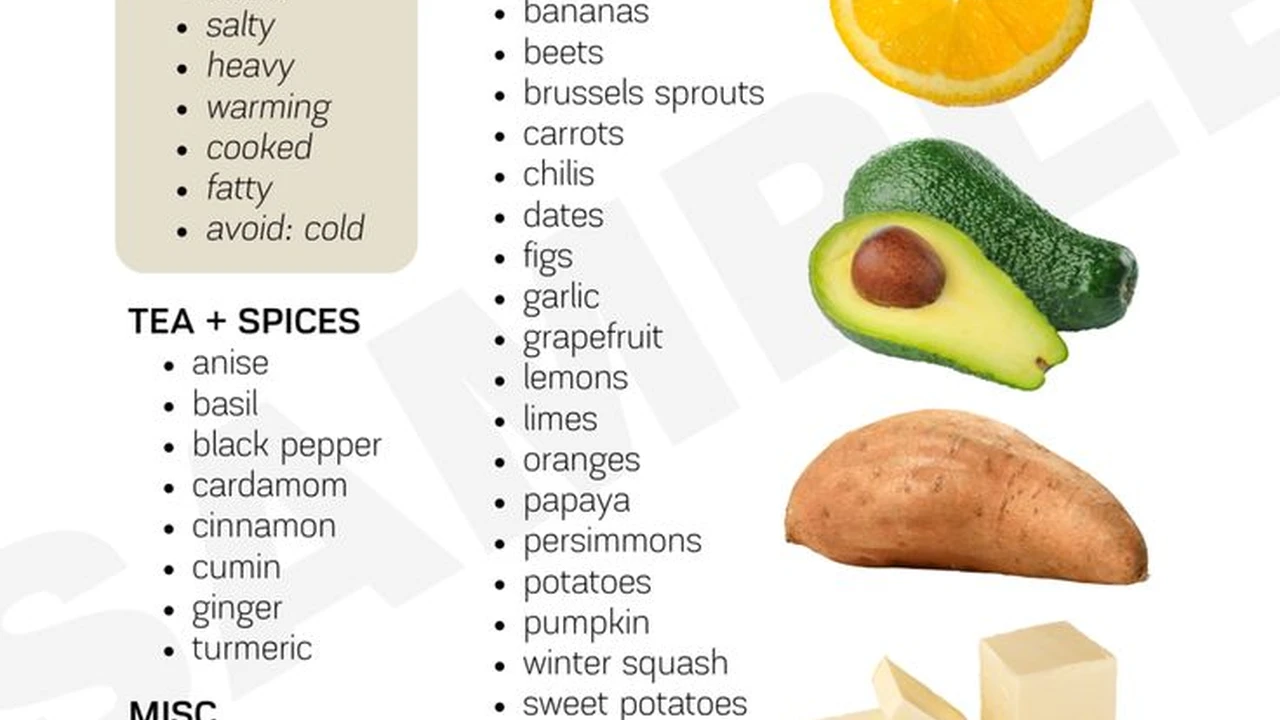
1 Sweet Potatoes Your Winter Energy Booster
Sweet potatoes are more than just a delicious side dish; they're a nutritional powerhouse, especially in winter. They are an excellent source of complex carbohydrates, providing sustained energy without the sugar crash. What makes them truly super is their high content of beta-carotene, which your body converts into Vitamin A. This vitamin is crucial for immune function, vision, and skin health. They also offer a good dose of Vitamin C, another immune-boosting nutrient, and dietary fiber, which supports digestive health and keeps you feeling full and satisfied.
How to Incorporate Sweet Potatoes into Your Diet
* Roasted Sweet Potatoes: Simple, comforting, and delicious. Cut into cubes, toss with a little olive oil, salt, and pepper, then roast until tender and slightly caramelized.
* Sweet Potato Soup: A warming and nourishing meal. Blend cooked sweet potatoes with vegetable broth, ginger, and a touch of coconut milk for a creamy, flavorful soup.
* Sweet Potato Hash: A great breakfast or brunch option. Sauté diced sweet potatoes with onions, bell peppers, and your favorite spices.
* Sweet Potato Fries: A healthier alternative to regular fries. Slice into sticks, bake until crispy, and enjoy with a sprinkle of paprika.
2 Citrus Fruits Your Vitamin C Powerhouse
Oranges, grapefruits, lemons, and mandarins are at their peak during winter, making them an essential part of your seasonal diet. These vibrant fruits are renowned for their exceptionally high Vitamin C content, a critical nutrient for immune system strength. Vitamin C acts as a powerful antioxidant, protecting your cells from damage and helping your body fight off infections. Beyond Vitamin C, citrus fruits also provide beneficial flavonoids and fiber.
Maximizing Citrus Benefits and Product Recommendations
* Freshly Squeezed Juice: Start your day with a glass of fresh orange or grapefruit juice. Be mindful of sugar content if consuming large quantities.
* Add to Salads: Segments of orange or grapefruit can add a refreshing zest and burst of flavor to winter salads.
* Infused Water: Slice lemons or oranges into your water for a hydrating and flavorful drink.
* Zest in Cooking: Lemon or orange zest can elevate both sweet and savory dishes, adding intense flavor and nutrients.
When it comes to getting your Vitamin C, while whole fruits are always best, some people opt for supplements, especially if they feel their intake is insufficient. Here are a couple of popular options:
* Nature's Bounty Vitamin C 500 mg with Rose Hips: A widely available and affordable option. Rose hips are a natural source of Vitamin C and bioflavonoids. Typically priced around $10-$15 for 100-200 tablets. Available at most pharmacies and supermarkets.
* Garden of Life Vitamin Code Raw Vitamin C: This is a whole-food based supplement, meaning the Vitamin C comes from natural food sources rather than synthetic ascorbic acid. It often includes probiotics and enzymes for better absorption. Priced higher, usually $20-$30 for 60 capsules. Found in health food stores and online.
3 Leafy Greens Kale and Spinach Winter's Green Gold
While often associated with spring and summer, many leafy greens like kale and spinach thrive in cooler temperatures and are abundant in winter. These greens are incredibly nutrient-dense, offering a wide array of vitamins (K, A, C), minerals (iron, calcium, magnesium), and antioxidants. They are low in calories but high in fiber, making them excellent for digestive health and weight management. Their robust nutrient profile makes them vital for overall wellness, supporting everything from bone health to cellular function.
Creative Ways to Enjoy Leafy Greens
* Sautéed Greens: Quickly sauté kale or spinach with garlic and olive oil for a simple, nutritious side dish.
* Smoothie Boost: Add a handful of spinach to your morning smoothie; you won't even taste it, but you'll get a significant nutrient boost.
* Soups and Stews: Stir in chopped kale or spinach towards the end of cooking your favorite winter soups and stews.
* Salads: Use tender baby spinach as a base for winter salads, or massage kale with a little olive oil to soften it for a heartier salad.
4 Root Vegetables Carrots and Beets Earth's Goodness
Carrots and beets are quintessential winter vegetables, harvested from beneath the ground where they store a wealth of nutrients. Carrots are famous for their beta-carotene content, essential for vision and immune health, as well as fiber and antioxidants. Beets are unique for their nitrates, which can improve blood flow and exercise performance, and betalains, powerful antioxidants with anti-inflammatory properties. Both are versatile and add natural sweetness and vibrant color to your winter meals.
Delicious Preparations for Root Vegetables
* Roasted Root Vegetables: A classic for a reason. Toss chopped carrots and beets with herbs, olive oil, and roast until tender and slightly caramelized.
* Carrot and Ginger Soup: A comforting and immune-boosting soup. Sauté carrots and ginger, then blend with vegetable broth.
* Beetroot Salad: Roasted or raw grated beets can be a fantastic addition to salads, paired with goat cheese, walnuts, and a balsamic vinaigrette.
* Juicing: Carrots and beets are excellent for juicing, providing a concentrated dose of their nutrients.
5 Cranberries Your Antioxidant Berry
While often associated with Thanksgiving, cranberries are a true winter superfood, typically harvested in the fall and available fresh or frozen throughout the colder months. These tart berries are packed with antioxidants, particularly proanthocyanidins (PACs), which are known for their ability to prevent certain bacteria from adhering to urinary tract walls, thus supporting urinary health. They also contain Vitamin C and fiber. Their tartness makes them a great counterpoint to richer winter dishes.
Incorporating Cranberries and Related Products
* Fresh Cranberry Sauce: Far superior to canned, homemade cranberry sauce is easy to make and a delicious accompaniment to poultry or even stirred into yogurt.
* Smoothies: Add a handful of frozen cranberries to your morning smoothie for a tart kick and antioxidant boost.
* Oatmeal Topping: Stir dried cranberries into your oatmeal or sprinkle them over cereals.
* Baked Goods: Incorporate fresh or dried cranberries into muffins, scones, or bread for added flavor and nutrition.
For those looking for concentrated cranberry benefits, especially for urinary tract health, cranberry supplements are popular. Here are a couple of options:
* AZO Cranberry Urinary Tract Health Supplement: This is a very common and accessible brand. It typically contains a concentrated cranberry extract equivalent to a significant amount of fresh cranberries. A bottle of 50 softgels usually costs around $10-$15. Available at most drugstores and supermarkets.
* NOW Foods Cranberry Caps 500 mg: A more general health supplement brand, offering a straightforward cranberry concentrate. Often comes in larger quantities, like 100 capsules for $15-$20. Found in health food stores and online.
Beyond the Plate Lifestyle Biohacks for Winter Wellness
While these superfoods are fantastic, true winter wellness is a holistic endeavor. Integrating certain lifestyle biohacks can amplify the benefits of your diet and help you thrive through the colder months.
Hydration Habits Staying Well Hydrated
It's easy to forget about hydration in winter when you're not sweating as much as in summer. However, staying well-hydrated is crucial for immune function, energy levels, and overall bodily processes. Aim for at least 8 glasses of water a day. Warm beverages like herbal teas, bone broth, and warm lemon water can also contribute to your fluid intake and provide comfort.
Movement Matters Staying Active Indoors and Out
Shorter days and colder weather can make us want to hibernate, but regular physical activity is vital for boosting circulation, mood, and immune health. If outdoor activities are challenging, explore indoor options like yoga, home workouts, or gym visits. Even a brisk walk during daylight hours can make a significant difference.
Sleep Optimization Prioritizing Rest and Recovery
Winter is a natural time for rest and rejuvenation. Prioritize 7-9 hours of quality sleep each night. Good sleep hygiene, such as a consistent sleep schedule, a dark and cool bedroom, and avoiding screens before bed, can significantly improve your sleep quality. Adequate rest allows your body to repair, regenerate, and strengthen its immune defenses.
Mindset and Mood Cultivating Positivity
Seasonal affective disorder (SAD) and general winter blues are real. Combat them by focusing on activities that boost your mood. This could include spending time in nature (even on cloudy days), practicing mindfulness or meditation, connecting with loved ones, or engaging in hobbies you enjoy. Light therapy lamps can also be a helpful tool for some individuals.
Putting It All Together Your Winter Wellness Plan
Integrating these superfoods and lifestyle biohacks into your daily routine doesn't have to be complicated. Start small, perhaps by adding one new superfood to your weekly meal plan or committing to a 15-minute walk each day. The key is consistency and finding what works best for your body and lifestyle. Remember, winter is a season of introspection and nourishment. By consciously choosing foods that support your health and adopting practices that enhance your well-being, you can not only survive but truly thrive during the colder months. Embrace the opportunity to nourish your body from the inside out, and you'll emerge from winter feeling vibrant, energized, and ready for spring.
:max_bytes(150000):strip_icc()/277019-baked-pork-chops-with-cream-of-mushroom-soup-DDMFS-beauty-4x3-BG-7505-5762b731cf30447d9cbbbbbf387beafa.jpg)