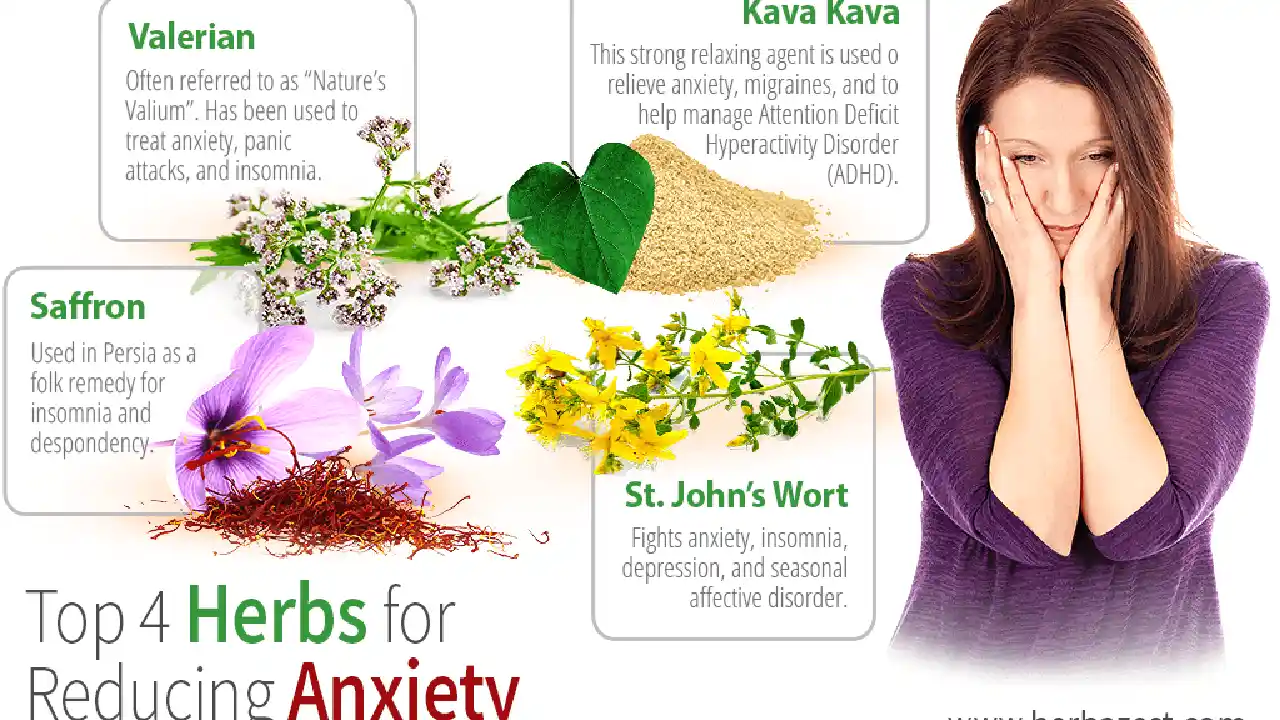
Discover the top six herbs for natural anxiety reduction. Support your nervous system with botanical remedies.
Top 6 Herbs for Natural Anxiety Reduction
Understanding Anxiety and the Role of Herbal Remedies
Anxiety is a pervasive issue in modern society, affecting millions globally. While conventional treatments like therapy and medication are vital, many individuals seek complementary approaches to manage their symptoms. Herbal remedies, with their long history of use in traditional medicine, offer a promising avenue for natural anxiety reduction. These botanical allies work through various mechanisms, often interacting with neurotransmitters, reducing inflammation, or promoting relaxation. Unlike some pharmaceutical interventions, herbs often come with fewer side effects and can be integrated into a holistic wellness routine. However, it's crucial to approach herbal remedies with an informed perspective, understanding their potential benefits, proper dosages, and possible interactions with other medications. Always consult with a healthcare professional before incorporating new supplements into your regimen, especially if you have underlying health conditions or are pregnant or breastfeeding.
Lavender Lavandula angustifolia The Calming Aromatic
Lavender is perhaps one of the most well-known herbs for its calming properties. Its distinctive aroma is often associated with relaxation and stress relief. The primary active compounds in lavender, particularly linalool and linalyl acetate, are believed to interact with neurotransmitters in the brain, such as GABA, which helps to calm the nervous system. This interaction can lead to reduced feelings of anxiety, improved sleep quality, and a general sense of well-being.
How to Use Lavender for Anxiety
Lavender can be used in various forms for anxiety reduction:
- Essential Oil Diffusion: One of the most popular methods is diffusing lavender essential oil. A few drops in a diffuser can fill your space with a calming aroma. For example, the ASAKUKI 500ml Essential Oil Diffuser (around $30-$40 on Amazon) is a popular choice, offering a large capacity and various mist settings. Simply add 5-10 drops of a high-quality lavender essential oil, such as NOW Foods Lavender Essential Oil (around $10-$15 for 1 oz), to the water reservoir. This is ideal for creating a relaxing atmosphere in your bedroom before sleep or in your living room during stressful periods.
- Topical Application: Diluted lavender essential oil can be applied to pulse points, temples, or the soles of the feet. Always dilute essential oils with a carrier oil like jojoba or almond oil (e.g., 2-3 drops of lavender per teaspoon of carrier oil). A pre-diluted roll-on like Plant Therapy Lavender Roll-On (around $10-$12) offers convenience for on-the-go relief. This method is great for quick stress relief during a busy workday or before a presentation.
- Herbal Tea: Lavender flowers can be steeped to make a soothing tea. Use 1-2 teaspoons of dried lavender flowers per cup of hot water, steep for 5-10 minutes, and strain. Brands like Traditional Medicinals Organic Lavender Tea (around $5-$7 for 16 tea bags) offer convenient tea bags. Drinking lavender tea before bedtime can significantly improve sleep quality and reduce nighttime anxiety.
- Bath Soaks: Adding lavender essential oil or dried flowers to a warm bath can create a deeply relaxing experience. Combine 10-15 drops of lavender essential oil with a cup of Epsom salts (e.g., Dr Teal's Pure Epsom Salt Soothe & Sleep Lavender, around $5-$7 for 3 lbs) for a calming soak. This is perfect for unwinding after a long, stressful day.
Product Comparison: Lavender Essential Oils
When choosing lavender essential oil, quality matters. Look for 100% pure, therapeutic-grade essential oils.
| Product |
Price Range (1 oz) |
Key Features |
Ideal Use Case |
| NOW Foods Lavender Essential Oil |
$10-$15 |
Affordable, widely available, good for diffusion and topical use. |
Everyday use, budget-conscious users. |
| Plant Therapy Lavender Essential Oil |
$15-$20 |
KidSafe certified, high quality, third-party tested. |
Families, those seeking higher purity. |
| doTERRA Lavender Essential Oil |
$25-$35 |
CPTG Certified Pure Therapeutic Grade, strong aroma. |
Premium users, those seeking intense aromatic experience. |
Chamomile Matricaria chamomilla The Gentle Soother
Chamomile is another widely recognized herb for its mild sedative and anxiolytic (anxiety-reducing) properties. It contains compounds like apigenin, which binds to GABA receptors in the brain, similar to benzodiazepines, but in a much gentler way. This action helps to calm the central nervous system, promoting relaxation and reducing anxiety without causing significant drowsiness.
How to Use Chamomile for Anxiety
Chamomile is most commonly consumed as a tea, but other forms are available:
- Herbal Tea: Chamomile tea is a classic remedy for anxiety and insomnia. Use 1-2 tea bags or 1-2 tablespoons of dried chamomile flowers per cup of hot water, steep for 5-10 minutes. Brands like Celestial Seasonings Sleepytime Tea (around $3-$5 for 20 tea bags), which features chamomile prominently, or Traditional Medicinals Organic Chamomile Tea (around $5-$7 for 16 tea bags) are excellent choices. Drinking a cup before bed or during a stressful moment can provide immediate relief.
- Tinctures: Chamomile tinctures offer a more concentrated form. Follow the dosage instructions on the product label, typically 30-60 drops in water, 1-3 times daily. Gaia Herbs Chamomile Liquid Phyto-Caps (around $20-$25 for 60 capsules) provide a convenient encapsulated form of the extract. Tinctures are good for consistent daily use to manage chronic anxiety.
- Topical Creams/Oils: While less common for internal anxiety, chamomile essential oil (diluted) can be used topically for localized calming effects or in massage oils.
Product Comparison: Chamomile Teas
For chamomile tea, consider organic options for purity.
| Product |
Price Range (20 bags) |
Key Features |
Ideal Use Case |
| Celestial Seasonings Sleepytime Tea |
$3-$5 |
Widely available, pleasant blend, good for general relaxation. |
Casual evening use, mild anxiety. |
| Traditional Medicinals Organic Chamomile Tea |
$5-$7 |
Organic, pure chamomile, strong calming effect. |
Targeted anxiety relief, before sleep. |
| Pukka Herbs Organic Chamomile, Vanilla & Manuka Honey Tea |
$6-$8 |
Organic, unique flavor blend, soothing. |
Those seeking a more gourmet, comforting tea experience. |
Lemon Balm Melissa officinalis The Mood Enhancer
Lemon balm, a member of the mint family, has been traditionally used to improve mood and cognitive function, as well as to reduce stress and anxiety. Its anxiolytic effects are attributed to compounds like rosmarinic acid, which is believed to increase the availability of GABA in the brain. It also has mild sedative properties, making it useful for promoting restful sleep.
How to Use Lemon Balm for Anxiety
Lemon balm is versatile and can be used in several forms:
- Herbal Tea: Fresh or dried lemon balm leaves make a delightful and calming tea. Use 1-2 teaspoons of dried leaves per cup of hot water, steep for 10-15 minutes. Buddha Teas Organic Lemon Balm Tea (around $6-$8 for 18 tea bags) is a good option. This is excellent for daytime anxiety as it's less sedating than chamomile for some, or for a gentle evening wind-down.
- Tinctures: Lemon balm tinctures are effective for more potent effects. Follow product instructions, typically 20-40 drops, 1-3 times daily. Herb Pharm Certified Organic Lemon Balm Extract (around $15-$20 for 1 oz) is a reputable brand. Tinctures are convenient for consistent dosing throughout the day.
- Capsules: Standardized lemon balm extracts in capsule form offer precise dosing. Look for products with a good concentration of active compounds. Nature's Way Lemon Balm Leaf (around $10-$12 for 100 capsules) is a common choice. Capsules are ideal for those who prefer not to taste the herb or want a consistent dose.
Product Comparison: Lemon Balm Supplements
When choosing lemon balm supplements, consider the form and concentration.
| Product |
Price Range |
Key Features |
Ideal Use Case |
| Buddha Teas Organic Lemon Balm Tea |
$6-$8 (18 bags) |
Gentle, pleasant taste, good for daily use. |
Mild anxiety, mood support, general wellness. |
| Herb Pharm Certified Organic Lemon Balm Extract |
$15-$20 (1 oz) |
Potent liquid extract, fast absorption. |
Acute anxiety, those preferring liquid supplements. |
| Nature's Way Lemon Balm Leaf Capsules |
$10-$12 (100 caps) |
Convenient, standardized dose, no taste. |
Consistent daily management, travel. |
Passionflower Passiflora incarnata The Sleep Inducer
Passionflower has a long history of use as a traditional sedative and anxiolytic. Research suggests that its active compounds, such as flavonoids and alkaloids, may increase levels of GABA in the brain, leading to a calming effect. It's particularly noted for its ability to improve sleep quality and reduce anxiety associated with insomnia.
How to Use Passionflower for Anxiety
Passionflower is commonly available in teas, tinctures, and capsules:
- Herbal Tea: Steep 1 teaspoon of dried passionflower herb per cup of hot water for 10-15 minutes. Traditional Medicinals Organic Nighty Night Tea (around $5-$7 for 16 tea bags) often includes passionflower as a key ingredient for sleep and relaxation. This is best consumed in the evening to prepare for sleep.
- Tinctures: Passionflower tinctures are a concentrated way to consume the herb. Dosage typically ranges from 1-2 ml, 1-3 times daily. Gaia Herbs Passionflower Liquid Phyto-Caps (around $20-$25 for 60 capsules) offer a convenient and effective option. Tinctures are good for managing more severe anxiety or insomnia.
- Capsules: Standardized passionflower extracts in capsule form provide consistent dosing. Nature's Way Passion Flower (around $8-$10 for 90 capsules) is a widely available brand. Capsules are ideal for those who prefer a tasteless and precise dose.
Product Comparison: Passionflower Supplements
Consider the form and concentration when selecting passionflower products.
| Product |
Price Range |
Key Features |
Ideal Use Case |
| Traditional Medicinals Organic Nighty Night Tea |
$5-$7 (16 bags) |
Gentle, blend for sleep and relaxation. |
Mild anxiety, occasional sleeplessness. |
| Gaia Herbs Passionflower Liquid Phyto-Caps |
$20-$25 (60 caps) |
Potent liquid extract in capsule form, high bioavailability. |
Moderate to severe anxiety, chronic insomnia. |
| Nature's Way Passion Flower Capsules |
$8-$10 (90 caps) |
Affordable, convenient, good for consistent daily use. |
General anxiety management, long-term support. |
Valerian Root Valeriana officinalis The Strong Sedative
Valerian root is a powerful herb often used for insomnia and anxiety due to its strong sedative properties. It's believed to work by increasing the amount of GABA in the brain, similar to benzodiazepines, but without the same risk of dependence. While effective, its distinct earthy odor can be off-putting to some.
How to Use Valerian Root for Anxiety
Valerian root is typically used in capsules or tinctures due to its strong taste:
- Capsules: This is the most common and palatable way to take valerian root. Dosage varies, but typically 300-600 mg before bedtime for sleep, or smaller doses throughout the day for anxiety. NOW Foods Valerian Root 500mg (around $8-$12 for 100 capsules) is a popular and affordable option. Capsules are ideal for those who need strong, consistent relief, especially for sleep-related anxiety.
- Tinctures: Valerian tinctures offer a fast-acting option. Follow product instructions, usually 1-3 ml before bed or as needed. Herb Pharm Certified Organic Valerian Extract (around $15-$20 for 1 oz) is a high-quality choice. Tinctures are good for acute anxiety attacks or when rapid onset of effects is desired.
- Tea: While possible, valerian tea has a very strong, often unpleasant taste. If attempting, steep 1 teaspoon of dried root in hot water for 10-15 minutes.
Product Comparison: Valerian Root Supplements
Due to its strong taste, capsules are often preferred for valerian root.
| Product |
Price Range |
Key Features |
Ideal Use Case |
| NOW Foods Valerian Root 500mg Capsules |
$8-$12 (100 caps) |
Affordable, convenient, standard dose. |
General anxiety, insomnia. |
| Gaia Herbs Valerian Root Liquid Phyto-Caps |
$20-$25 (60 caps) |
Potent liquid extract in capsule form, high bioavailability. |
More severe anxiety, chronic sleep issues. |
| Herb Pharm Certified Organic Valerian Extract |
$15-$20 (1 oz) |
Fast-acting liquid extract, organic. |
Acute anxiety, those preferring liquid supplements. |
Ashwagandha Withania somnifera The Adaptogen for Stress
Ashwagandha is an adaptogenic herb, meaning it helps the body adapt to stress. It doesn't directly sedate but rather helps to normalize physiological processes disrupted by chronic stress. It's believed to reduce cortisol levels, the body's primary stress hormone, and modulate neurotransmitter systems, leading to reduced anxiety and improved resilience. Ashwagandha is particularly beneficial for chronic stress and generalized anxiety.
How to Use Ashwagandha for Anxiety
Ashwagandha is typically taken in capsule or powder form:
- Capsules: Standardized ashwagandha extracts are widely available. Look for products with a high concentration of 'withanolides,' the active compounds. Common dosages range from 300-600 mg of extract, 1-2 times daily. KSM-66 Ashwagandha is a highly researched and potent extract. Brands like Organic India Ashwagandha (around $15-$20 for 90 capsules) or NOW Foods Ashwagandha 450mg (around $10-$15 for 90 capsules) are popular. Capsules are ideal for consistent daily use to build resilience against stress.
- Powder: Ashwagandha root powder can be mixed into smoothies, milk, or water. The taste is earthy and slightly bitter. Start with 1/2 to 1 teaspoon daily. Banyan Botanicals Organic Ashwagandha Powder (around $10-$15 for 1 lb) is a good quality option. Powder is versatile for those who like to incorporate herbs into their food or drinks.
Product Comparison: Ashwagandha Supplements
When choosing ashwagandha, look for standardized extracts, especially KSM-66 or Sensoril.
| Product |
Price Range |
Key Features |
Ideal Use Case |
| Organic India Ashwagandha Capsules |
$15-$20 (90 caps) |
Organic, full-spectrum herb, good for general stress. |
Daily stress management, overall well-being. |
| NOW Foods Ashwagandha 450mg Capsules |
$10-$15 (90 caps) |
Standardized extract, affordable, widely available. |
Budget-conscious users, consistent daily use. |
| Gaia Herbs Ashwagandha Root Liquid Phyto-Caps |
$25-$30 (60 caps) |
Potent liquid extract in capsule form, high bioavailability. |
More targeted stress reduction, those preferring liquid extracts. |
Kava Kava Piper methysticum The Social Anxiety Reliever
Kava kava, native to the Pacific Islands, is traditionally used for its relaxing and euphoric effects, particularly in social settings. It works by enhancing GABA activity in the brain, leading to reduced anxiety, muscle relaxation, and a sense of calm. It's often used for social anxiety, generalized anxiety, and insomnia. However, it's important to note that kava has been associated with rare cases of liver toxicity, primarily with non-traditional preparations (e.g., using stems and leaves instead of just the root) or excessive use. Always choose reputable brands that use only the root and follow dosage guidelines strictly.
How to Use Kava Kava for Anxiety
Kava is typically consumed as a traditional drink, tincture, or capsule:
- Traditional Drink: Prepared by kneading kava root powder in water and straining. This method provides the most traditional and often potent effects. Kavafied Kava Powder (around $20-$30 for 4 oz) is a popular brand for traditional preparation. This is ideal for those seeking a more ceremonial or potent experience, often for social anxiety or deep relaxation.
- Tinctures: Kava tinctures offer a convenient way to consume the herb. Dosage typically ranges from 1-4 ml, 1-3 times daily. Gaia Herbs Kava Root Liquid Phyto-Caps (around $25-$30 for 60 capsules) provide a standardized extract in an easy-to-take form. Tinctures are good for on-the-go relief or when a quick effect is desired.
- Capsules: Kava capsules provide a standardized dose without the taste. Look for products that specify 'root only' extract. Nature's Way Kava Kava (around $10-$15 for 60 capsules) is a common option. Capsules are suitable for consistent daily use, especially for those who dislike the taste of kava.
Product Comparison: Kava Kava Products
Due to liver concerns, always prioritize reputable brands and 'root only' products for kava.
| Product |
Price Range |
Key Features |
Ideal Use Case |
| Kavafied Kava Powder |
$20-$30 (4 oz) |
Traditional preparation, potent effects, authentic experience. |
Deep relaxation, social anxiety, ceremonial use. |
| Gaia Herbs Kava Root Liquid Phyto-Caps |
$25-$30 (60 caps) |
Standardized liquid extract in capsule, convenient, reputable brand. |
Consistent anxiety management, those preferring capsules. |
| Nature's Way Kava Kava Capsules |
$10-$15 (60 caps) |
Affordable, widely available, 'root only' specified. |
General anxiety relief, budget-conscious users. |
Important Considerations and Safety First
While these herbs offer natural avenues for anxiety reduction, it's paramount to approach their use with caution and awareness. Herbal remedies are not without potential side effects or interactions. For instance, valerian and passionflower can cause drowsiness, making them unsuitable before driving or operating heavy machinery. Kava, as mentioned, carries a rare risk of liver toxicity, emphasizing the need for responsible sourcing and dosage.
Always consult with a healthcare professional, especially if you are pregnant, breastfeeding, taking prescription medications (e.g., antidepressants, sedatives, blood thinners), or have pre-existing medical conditions. They can provide personalized advice, help identify potential interactions, and ensure that herbal remedies are a safe and appropriate choice for your individual health needs. Start with the lowest effective dose and monitor your body's response. Listen to your body, and if you experience any adverse reactions, discontinue use and seek medical advice. The journey to natural anxiety reduction is a personal one, and finding the right herbal allies can be a powerful step towards greater well-being.
:max_bytes(150000):strip_icc()/277019-baked-pork-chops-with-cream-of-mushroom-soup-DDMFS-beauty-4x3-BG-7505-5762b731cf30447d9cbbbbbf387beafa.jpg)