Comparing Stem Cell Therapy and PRP for Regeneration
Explore the differences between stem cell therapy and PRP for regeneration. Understand their potential in anti-aging medicine.
Explore the differences between stem cell therapy and PRP for regeneration. Understand their potential in anti-aging medicine.
Comparing Stem Cell Therapy and PRP for Regeneration
Hey everyone, let's dive into something super exciting in the world of anti-aging and regeneration: Stem Cell Therapy and Platelet-Rich Plasma (PRP). You've probably heard these terms floating around, especially if you're into biohacking or just looking for ways to keep your body feeling young and spry. But what exactly are they, how do they work, and which one might be right for you? Let's break it down in a way that's easy to understand, without getting too bogged down in the super technical jargon.
Understanding Regenerative Medicine: Stem Cells vs PRP
First off, both stem cell therapy and PRP fall under the umbrella of 'regenerative medicine.' This is a fancy term for treatments that aim to repair, replace, or regenerate damaged tissues and organs in the body. Instead of just treating symptoms, regenerative medicine tries to get to the root cause by helping your body heal itself. Pretty cool, right?
What is Stem Cell Therapy and How Does It Work for Anti Aging
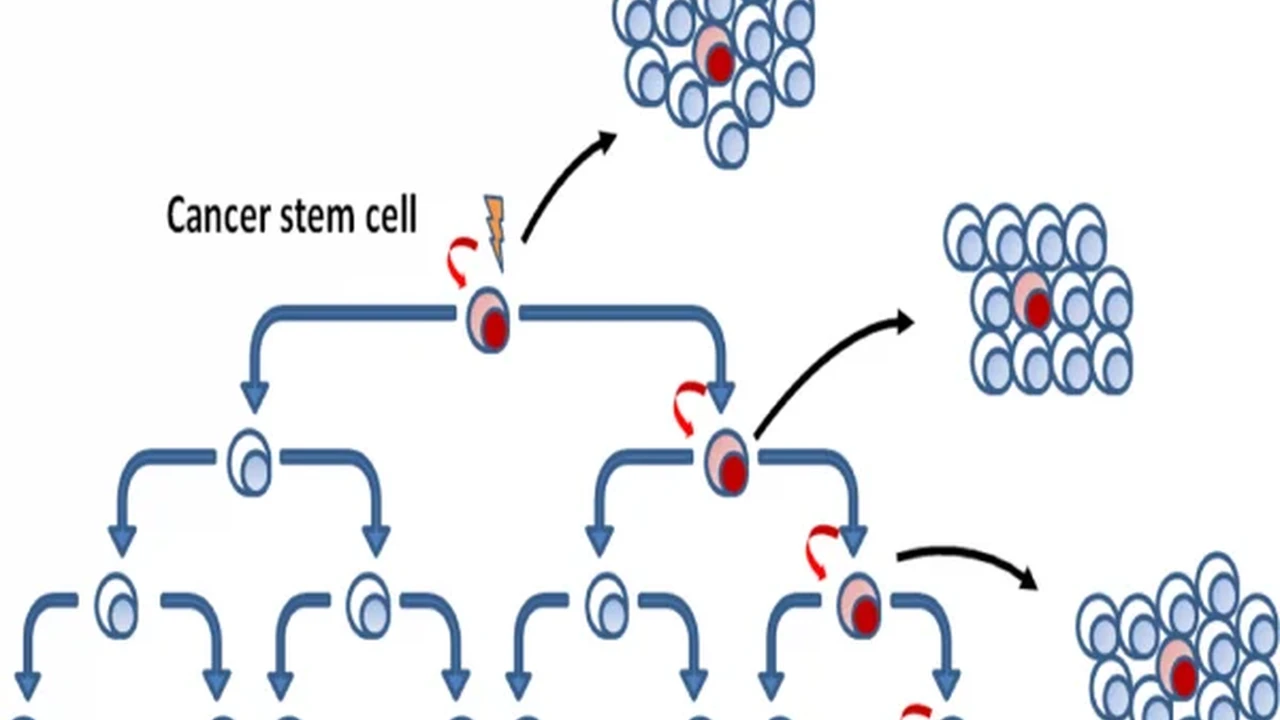
Alright, let's talk about stem cells. Think of stem cells as your body's master cells. They're unique because they have two amazing abilities:
- They can self-renew, meaning they can make more copies of themselves.
- They can differentiate, which means they can turn into many different types of specialized cells, like bone cells, cartilage cells, muscle cells, or even nerve cells.
In the context of anti-aging and regeneration, stem cell therapy typically involves harvesting stem cells from your own body (autologous) or from a donor (allogeneic). Common sources for autologous stem cells include bone marrow (Bone Marrow Aspirate Concentrate or BMAC) and adipose tissue (fat, often called Adipose-Derived Stem Cells or ADSCs). Once harvested, these cells are processed and then injected into the area that needs healing or regeneration.
The idea is that once these powerful cells are in the damaged area, they can help repair tissue, reduce inflammation, and promote healing. For anti-aging, this could mean anything from regenerating worn-out joints to improving skin elasticity and even potentially boosting organ function. It's like giving your body a super-charged repair crew.
What is Platelet Rich Plasma PRP and Its Regenerative Benefits
Now, let's shift gears to PRP. PRP is a bit different from stem cell therapy, but it also harnesses your body's natural healing abilities. PRP is made from your own blood. Here's how it works:
- A small sample of your blood is drawn, similar to a routine blood test.
- This blood is then put into a centrifuge, which spins it at high speed. This process separates the different components of your blood.
- The result is a concentrated plasma that's rich in platelets.
Why are platelets so important? Well, platelets are tiny blood cells that are crucial for clotting, but they also contain a treasure trove of growth factors. These growth factors are like signaling molecules that tell your cells to grow, repair, and regenerate. When PRP is injected into an injured or aging area, these concentrated growth factors stimulate a powerful healing response.
PRP is widely used for things like tendon injuries, ligament sprains, osteoarthritis, and even in aesthetic treatments for skin rejuvenation and hair loss. It's a fantastic way to give your body a natural boost in healing and regeneration without introducing anything foreign.
Key Differences and Similarities Stem Cell Therapy vs PRP
While both aim for regeneration, there are some fundamental differences between stem cell therapy and PRP:
Cellular Composition and Mechanism of Action
The biggest difference lies in what's actually being injected. Stem cell therapy involves injecting actual living stem cells that have the potential to differentiate into new tissue. PRP, on the other hand, involves injecting a concentration of growth factors from platelets. While PRP can stimulate existing stem cells in the body, it doesn't introduce new stem cells.
Think of it this way: Stem cells are the builders who can create new structures. PRP is like the foreman who tells the existing builders (your body's own cells) to work harder and more efficiently.
Sources and Harvesting Procedures
As mentioned, stem cells are typically harvested from bone marrow or fat. These procedures are more involved than a simple blood draw. Bone marrow aspiration can be a bit uncomfortable, and fat harvesting (liposuction) is a minor surgical procedure. PRP, however, only requires a standard blood draw, which is quick and minimally invasive.
Applications and Efficacy in Anti Aging and Regeneration
Both therapies have a wide range of applications, but their efficacy can vary depending on the condition. Stem cell therapy is often considered for more severe or chronic conditions where significant tissue regeneration is needed, such as severe osteoarthritis, non-healing fractures, or even certain neurological conditions. PRP is excellent for milder to moderate injuries, chronic tendonitis, early-stage arthritis, and aesthetic concerns like fine lines, wrinkles, and hair thinning.
For anti-aging, stem cells might offer a more profound regenerative effect due to their ability to differentiate into new cells, potentially replacing aged or damaged ones. PRP, while not introducing new cells, can significantly improve the health and function of existing cells and tissues by stimulating repair processes.
Cost and Accessibility of Regenerative Treatments
Let's talk about the elephant in the room: cost. Regenerative medicine treatments aren't typically covered by insurance, so you'll likely be paying out of pocket. And there's a significant price difference between the two.
Pricing for Stem Cell Therapy Procedures
Stem cell therapy is generally more expensive due to the more complex harvesting and processing procedures. Prices can vary wildly depending on the clinic, the type of stem cells used (autologous vs. allogeneic), and the condition being treated. You're looking at a range from a few thousand dollars to tens of thousands of dollars per treatment. For example, a single joint injection using autologous stem cells might cost anywhere from $5,000 to $15,000. More extensive treatments or those involving allogeneic cells could be even higher.
Pricing for PRP Therapy Procedures
PRP therapy is significantly more affordable. Since it only involves a blood draw and centrifugation, the costs are much lower. A single PRP injection can range from $500 to $2,500, again depending on the clinic, the area being treated, and the number of injections needed. For aesthetic treatments like a 'Vampire Facial' (PRP microneedling), you might pay around $800-$1500 per session.
Specific Product Recommendations and Use Cases
While we're talking about procedures, it's worth noting that there aren't really 'products' you buy off the shelf for these therapies. They are medical procedures performed by trained professionals. However, there are some related products and technologies that clinics might use or recommend to enhance the results or for at-home support.
Enhancing Stem Cell Therapy Outcomes with Supportive Products
For stem cell therapy, the 'product' is essentially your own processed cells or donor cells. However, clinics might use specific equipment for processing, like centrifuges from companies such as Harvest Technologies or Arthrex, which are known for their high-quality cell processing systems. These systems ensure the optimal concentration and viability of the stem cells. After the procedure, your doctor might recommend supplements to support healing, such as high-quality collagen peptides, Vitamin D, or specific anti-inflammatory supplements. For example, a good quality collagen supplement like Vital Proteins Collagen Peptides (around $25-$50 for a tub) or a broad-spectrum anti-inflammatory like Thorne Curcumin Phytosome (around $40-$60) could be suggested to aid recovery and tissue regeneration.
Optimizing PRP Results with Complementary Devices and Serums
For PRP, the 'product' is your own platelet-rich plasma. Clinics use specialized kits for drawing and processing blood to create the PRP. Brands like Harvest Technologies, Arthrex, and Emcyte are common providers of these PRP kits. These kits ensure sterile processing and optimal platelet concentration. For aesthetic PRP treatments, devices like microneedling pens (e.g., Dermapen or SkinPen, which are professional-grade devices used in clinics, not typically for home use) are often used to create micro-channels in the skin, allowing the PRP to penetrate deeper and stimulate collagen production. After a PRP facial, clinics might recommend specific serums or creams to enhance results, such as hyaluronic acid serums (e.g., SkinCeuticals HA Intensifier, around $100-$150) or growth factor serums (e.g., AnteAGE MD Serum, around $150-$200) to further support skin regeneration and hydration.
For hair loss, in addition to PRP injections, some clinics might recommend at-home devices like low-level laser therapy (LLLT) caps or combs (e.g., CapillusPro or iRestore Laser Hair Growth System, ranging from $700 to $2000+) to stimulate hair follicles and improve blood flow to the scalp, complementing the PRP treatments.
Who is a Candidate for Stem Cell Therapy or PRP
So, who should consider these treatments? It really depends on your specific condition and goals.
Ideal Candidates for Stem Cell Regeneration
Stem cell therapy is often considered for individuals with more significant tissue damage or degenerative conditions. This could include:
- People with moderate to severe osteoarthritis who want to avoid or delay joint replacement surgery.
- Individuals with chronic tendon or ligament injuries that haven't responded to other treatments.
- Those seeking advanced anti-aging solutions for overall vitality and cellular health.
- Patients with certain autoimmune conditions or chronic inflammatory diseases, though this is a more experimental area.
It's crucial to have a thorough consultation with a qualified physician to determine if you're a suitable candidate, as not everyone will benefit equally.
Ideal Candidates for PRP Therapy
PRP therapy is a fantastic option for a broader range of conditions, often as a first-line regenerative treatment or for less severe issues:
- Athletes with acute or chronic tendonitis (e.g., tennis elbow, jumper's knee).
- Individuals with mild to moderate osteoarthritis.
- People experiencing hair thinning or hair loss.
- Those looking for natural skin rejuvenation to improve texture, tone, and reduce fine lines.
- Patients recovering from certain surgical procedures to accelerate healing.
PRP is generally considered very safe since it uses your own blood, minimizing the risk of allergic reactions or disease transmission.
Potential Risks and Side Effects of Regenerative Treatments
Like any medical procedure, both stem cell therapy and PRP come with potential risks, though they are generally considered low, especially since they use your body's own materials.
Understanding Stem Cell Therapy Risks
For autologous stem cell therapy, the risks are mainly associated with the harvesting procedure. These can include:
- Pain or discomfort at the harvest site (bone marrow or fat).
- Infection, though rare with sterile techniques.
- Bleeding or bruising.
- Nerve damage (very rare).
For the injection itself, there's a small risk of infection or temporary pain. The biggest concern with stem cell therapy, especially if considering allogeneic (donor) cells or treatments from unregulated clinics, is the potential for unproven claims or even adverse reactions if the cells are not properly handled or if the treatment is not scientifically sound. Always choose a reputable clinic with experienced practitioners.
Understanding PRP Therapy Risks
PRP therapy is even lower risk because it's less invasive. Potential side effects are usually mild and temporary, including:
- Pain, swelling, or bruising at the injection site.
- Temporary redness or tenderness.
- Infection (extremely rare with sterile technique).
Since it's your own blood, there's virtually no risk of allergic reaction or rejection.
Choosing the Right Regenerative Therapy for Your Needs
Deciding between stem cell therapy and PRP isn't a one-size-fits-all answer. It really comes down to your specific condition, your goals, and what your doctor recommends.
Consulting with a Regenerative Medicine Specialist
The absolute best first step is to consult with a qualified regenerative medicine specialist. They can assess your condition, discuss your medical history, and help you understand which therapy, if any, is most appropriate for you. They'll also explain the expected outcomes, potential risks, and costs involved.
Factors to Consider for Personalized Treatment Plans
When making your decision, consider these factors:
- Severity of Condition: For more severe degeneration or damage, stem cells might offer a more robust regenerative potential. For milder issues or as a preventative measure, PRP could be sufficient.
- Invasiveness: PRP is less invasive than autologous stem cell harvesting. If you're averse to minor surgical procedures, PRP might be a better starting point.
- Cost: As discussed, PRP is significantly more affordable. Your budget will definitely play a role in your decision.
- Recovery Time: Both generally have minimal downtime, but stem cell harvesting might require a bit more recovery time at the harvest site.
- Research and Evidence: While both have growing bodies of evidence, the research for specific conditions might be stronger for one over the other. Your doctor should be able to guide you through the current scientific understanding.
Ultimately, both stem cell therapy and PRP represent exciting advancements in regenerative medicine, offering powerful ways to harness your body's innate healing capabilities for anti-aging and recovery. By understanding their differences and consulting with an expert, you can make an informed decision that's right for your health journey.
:max_bytes(150000):strip_icc()/277019-baked-pork-chops-with-cream-of-mushroom-soup-DDMFS-beauty-4x3-BG-7505-5762b731cf30447d9cbbbbbf387beafa.jpg)