Comparing Resveratrol and Quercetin for Anti Aging
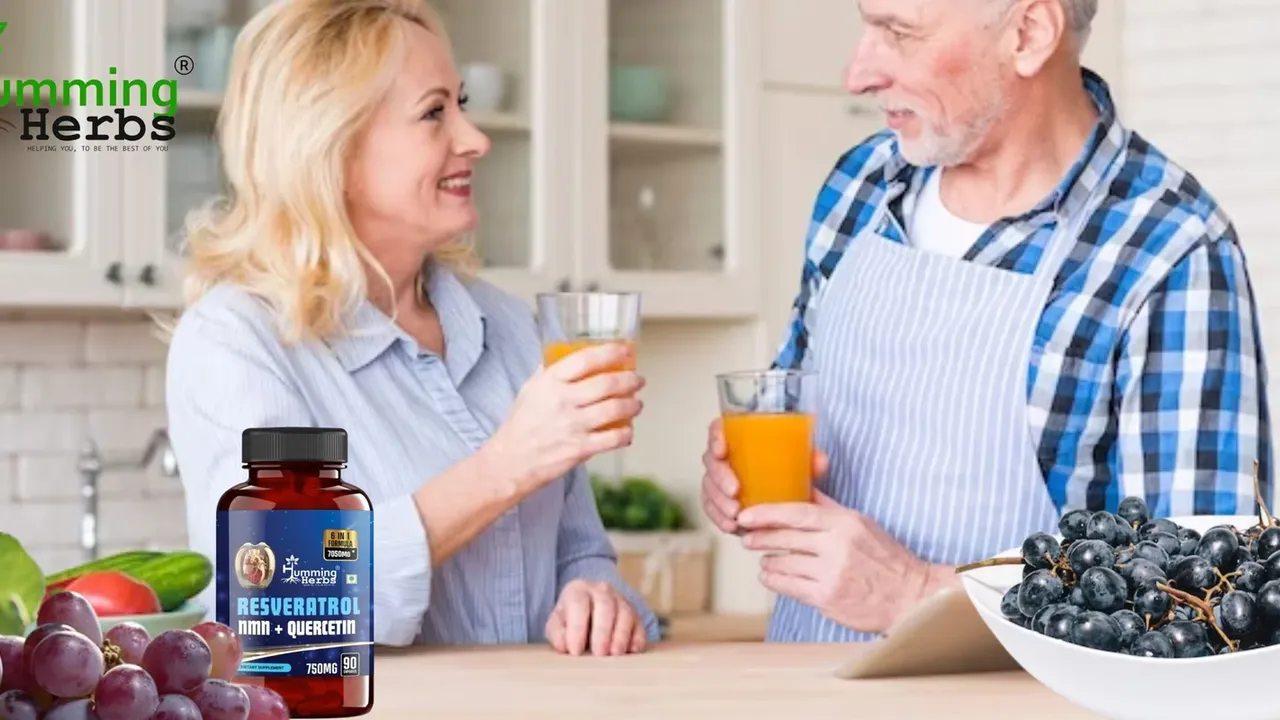
Understand the anti-aging properties of Resveratrol and Quercetin. Explore these powerful plant compounds for cellular health.
Understand the anti-aging properties of Resveratrol and Quercetin. Explore these powerful plant compounds for cellular health.
Comparing Resveratrol and Quercetin for Anti Aging
Hey there, health enthusiasts! Today, we're diving deep into two of the most talked-about plant compounds in the anti-aging world: Resveratrol and Quercetin. You've probably heard their names floating around, especially if you're into biohacking, longevity, or just generally trying to feel your best as you age. But what exactly are they, how do they work, and which one (or both!) might be right for your anti-aging journey? Let's break it down, comparing their unique benefits, how they interact, and even some specific products you might consider.
Resveratrol The Red Wine Wonder and Its Anti Aging Benefits
First up, let's chat about Resveratrol. This polyphenol is naturally found in the skin of red grapes, blueberries, raspberries, mulberries, and even peanuts. It's often associated with the 'French Paradox' – the observation that the French have a relatively low incidence of coronary heart disease despite a diet rich in saturated fats, which some attribute to their regular consumption of red wine. While that's a fun anecdote, the science behind Resveratrol is far more compelling.
How Resveratrol Works for Longevity and Cellular Health
Resveratrol is a powerhouse when it comes to cellular health. Its primary claim to fame is its ability to activate sirtuins, particularly SIRT1. Think of sirtuins as your body's cellular guardians. They play a crucial role in DNA repair, inflammation regulation, and metabolism. By boosting sirtuin activity, Resveratrol essentially helps your cells function more efficiently and resist damage, which is a big deal for slowing down the aging process.
Beyond sirtuins, Resveratrol is also a potent antioxidant. This means it helps neutralize free radicals, those unstable molecules that can cause oxidative stress and damage to your cells, contributing to aging and various diseases. It also has anti-inflammatory properties, which are vital because chronic inflammation is a silent killer, linked to almost every age-related condition, from heart disease to neurodegenerative disorders.
Key Benefits of Resveratrol for Anti Aging and Wellness
- Cardiovascular Health: Resveratrol supports heart health by improving blood vessel function, reducing LDL (bad) cholesterol oxidation, and preventing platelet aggregation.
- Brain Health: It may protect brain cells from damage, improve cognitive function, and potentially reduce the risk of neurodegenerative diseases like Alzheimer's.
- Metabolic Health: Some studies suggest Resveratrol can improve insulin sensitivity and help regulate blood sugar levels, which is beneficial for preventing type 2 diabetes and metabolic syndrome.
- Anti-inflammatory Effects: Its ability to quell inflammation is a broad benefit, impacting everything from joint health to overall cellular longevity.
- Potential Cancer Prevention: While more research is needed, Resveratrol has shown promise in inhibiting the growth of various cancer cells in lab studies.
Quercetin The Flavonoid Powerhouse for Anti Aging and Immunity
Now, let's shift our focus to Quercetin. This is another incredible plant compound, specifically a flavonoid, found in many fruits, vegetables, and grains. Think apples, onions, berries, grapes, citrus fruits, and even green tea and red wine. It's often lauded for its antioxidant and anti-inflammatory properties, but it brings some unique benefits to the anti-aging table, especially concerning immune function and cellular senescence.
How Quercetin Works for Longevity and Immune Support
Like Resveratrol, Quercetin is a powerful antioxidant, scavenging free radicals and protecting your cells from oxidative damage. It's also a fantastic anti-inflammatory agent, helping to calm systemic inflammation throughout the body. But where Quercetin really shines is its role as a senolytic. What's a senolytic, you ask? These are compounds that selectively destroy senescent cells – often called 'zombie cells' – which are old, damaged cells that refuse to die and instead hang around, secreting inflammatory compounds that harm surrounding healthy cells and accelerate aging. By clearing out these senescent cells, Quercetin helps rejuvenate tissues and improve overall cellular function.
Quercetin is also a well-known immune booster. It helps regulate immune responses, reduce histamine release (making it popular for allergy relief), and has antiviral properties. This makes it a great ally for maintaining health as you age, especially during seasonal changes or when your immune system might need a little extra support.
Key Benefits of Quercetin for Anti Aging and Wellness
- Senolytic Activity: This is a major one! By eliminating senescent cells, Quercetin helps reduce chronic inflammation and improve tissue function, directly impacting longevity.
- Immune System Support: It strengthens immune responses, reduces allergic reactions, and has shown promise in fighting off various pathogens.
- Cardiovascular Health: Quercetin can help lower blood pressure, improve endothelial function (the lining of your blood vessels), and reduce the risk of atherosclerosis.
- Anti-inflammatory and Antioxidant: These broad benefits contribute to overall cellular protection and reduced risk of age-related diseases.
- Exercise Performance: Some studies suggest Quercetin can improve endurance and reduce exercise-induced oxidative stress.
Resveratrol vs Quercetin Which One Should You Choose
So, Resveratrol or Quercetin? It's not necessarily an either/or situation. While both are powerful antioxidants and anti-inflammatory agents, they have distinct mechanisms of action that make them complementary rather than competitive. Resveratrol is a strong sirtuin activator, focusing on cellular repair and metabolic pathways, while Quercetin excels as a senolytic and immune modulator.
Many experts and biohackers actually recommend taking them together. Why? Because they can work synergistically. For example, Quercetin has been shown to improve the bioavailability of Resveratrol, meaning your body can absorb and utilize Resveratrol more effectively when taken with Quercetin. This is a classic example of how combining compounds can lead to greater benefits than taking them individually.
Synergistic Benefits of Combining Resveratrol and Quercetin
When you combine Resveratrol and Quercetin, you're essentially hitting aging from multiple angles:
- Enhanced Cellular Protection: Double the antioxidant and anti-inflammatory power.
- Improved Senolytic Activity: Quercetin clears out old cells, while Resveratrol helps keep the remaining cells healthy and functional.
- Better Bioavailability: Quercetin helps your body absorb more Resveratrol.
- Comprehensive Immune Support: Both contribute to a robust immune system, but through slightly different pathways.
Product Recommendations and Usage Scenarios for Resveratrol and Quercetin
Alright, let's get down to some practical advice. If you're looking to incorporate these compounds into your routine, here are some product recommendations, usage scenarios, and things to consider regarding dosage and price.
Resveratrol Supplement Options and Considerations
When choosing a Resveratrol supplement, look for products that specify 'trans-Resveratrol,' as this is the biologically active form. Also, consider the source – some are derived from Japanese knotweed (Polygonum cuspidatum), while others come from red wine extract. Japanese knotweed is a common and often more concentrated source.
Recommended Resveratrol Products:
-
Life Extension Optimized Resveratrol:
- Why it's good: This product often combines trans-Resveratrol with other beneficial compounds like Quercetin, Fisetin, and grape seed extract for enhanced synergy. It's a well-regarded brand in the longevity space.
- Typical Dosage: 250 mg to 500 mg of trans-Resveratrol per day.
- Usage Scenario: Great for general anti-aging, cardiovascular support, and those looking for a comprehensive blend.
- Price Range: ~$30-$50 for a 60-capsule bottle (1-2 month supply).
-
Thorne Research ResveraCel:
- Why it's good: Thorne is known for its high-quality, pure ingredients and excellent absorption. This product often includes Nicotinamide Riboside (NR) alongside Resveratrol, which is another powerful longevity compound.
- Typical Dosage: Varies based on formulation, often around 150-250 mg of trans-Resveratrol.
- Usage Scenario: Ideal for those who want a premium product with added NAD+ boosting benefits.
- Price Range: ~$50-$70 for a 60-capsule bottle.
-
NOW Foods Trans-Resveratrol:
- Why it's good: A more budget-friendly option from a reputable brand. It provides a straightforward trans-Resveratrol supplement without many added ingredients.
- Typical Dosage: 200 mg to 500 mg.
- Usage Scenario: Good for beginners or those on a tighter budget who want to try Resveratrol on its own.
- Price Range: ~$20-$35 for a 60-capsule bottle.
Quercetin Supplement Options and Considerations
For Quercetin, bioavailability can be an issue. Look for formulations that enhance absorption, such as those combined with bromelain (an enzyme found in pineapple) or liposomal forms. Some products also combine Quercetin with Vitamin C, which can further enhance its antioxidant properties.
Recommended Quercetin Products:
-
Designs for Health Quercetin Phytosome:
- Why it's good: This uses a phytosome delivery system (Quercetin bound to phospholipids) to significantly enhance absorption, making it much more effective than standard Quercetin.
- Typical Dosage: 250 mg to 500 mg per day.
- Usage Scenario: Excellent for maximizing senolytic and immune benefits, especially for those with seasonal allergies or looking for superior absorption.
- Price Range: ~$40-$60 for a 60-capsule bottle.
-
NOW Foods Quercetin with Bromelain:
- Why it's good: A popular and affordable choice that combines Quercetin with bromelain, which aids in absorption and provides additional anti-inflammatory benefits.
- Typical Dosage: 800 mg Quercetin / 165 mg Bromelain per serving.
- Usage Scenario: Great for general immune support, allergy relief, and those seeking a cost-effective option.
- Price Range: ~$25-$40 for a 120-capsule bottle.
-
Pure Encapsulations Quercetin:
- Why it's good: Pure Encapsulations is known for its hypoallergenic, high-quality supplements. This is a straightforward Quercetin product, often recommended by practitioners.
- Typical Dosage: 250 mg to 500 mg.
- Usage Scenario: For those who prefer a pure, unadulterated Quercetin supplement without additional ingredients.
- Price Range: ~$30-$50 for a 60-capsule bottle.
Combination Supplements for Synergistic Anti Aging
If you're keen on the synergistic approach, many brands offer combined Resveratrol and Quercetin supplements. This can be convenient and often formulated for optimal interaction.
Recommended Combination Products:
-
Double Wood Supplements Resveratrol & Quercetin:
- Why it's good: A popular choice among biohackers for its straightforward combination and good value. They often provide clear dosages of both compounds.
- Typical Dosage: Often 500 mg Resveratrol (trans) and 250 mg Quercetin per serving.
- Usage Scenario: Excellent for those wanting to leverage the synergistic benefits of both compounds in one go.
- Price Range: ~$30-$45 for a 60-capsule bottle.
-
NMN Bio Resveratrol & Quercetin Complex:
- Why it's good: This brand often focuses on longevity compounds and may include other synergistic ingredients like NMN (Nicotinamide Mononucleotide) or Pterostilbene (a more bioavailable form of Resveratrol).
- Typical Dosage: Varies by specific product, but generally good ratios of both.
- Usage Scenario: For advanced biohackers looking for a comprehensive longevity stack.
- Price Range: ~$50-$80+ depending on additional ingredients.
Important Considerations for Supplementing with Resveratrol and Quercetin
Before you jump in, a few important notes:
- Consult Your Doctor: Always, always, always talk to your healthcare provider before starting any new supplement, especially if you have underlying health conditions or are taking medications. Resveratrol, for example, can interact with blood thinners.
- Dosage: The dosages mentioned are typical, but optimal dosages can vary based on individual needs and the specific formulation. Start low and go slow.
- Quality Matters: Choose reputable brands that offer third-party testing for purity and potency. Look for certifications or indications of good manufacturing practices (GMP).
- Bioavailability: As mentioned, some forms of these compounds are better absorbed than others. Pay attention to terms like 'trans-Resveratrol,' 'phytosome,' or 'liposomal' for enhanced absorption.
- Food Sources: Don't forget that you can get these compounds from food! While supplements offer concentrated doses, a diet rich in colorful fruits and vegetables will naturally provide a good foundation.
- Consistency is Key: Like most supplements, the benefits of Resveratrol and Quercetin are typically seen with consistent, long-term use.
Beyond Supplements Lifestyle Factors for Anti Aging
While Resveratrol and Quercetin are fantastic tools in your anti-aging arsenal, remember they are just that – tools. They work best when integrated into a holistic approach to health and longevity. No supplement can fully counteract a poor diet, lack of exercise, chronic stress, or insufficient sleep.
Holistic Anti Aging Strategies to Complement Supplements
- Nutrient-Dense Diet: Focus on whole, unprocessed foods, rich in fruits, vegetables, lean proteins, and healthy fats. This naturally provides a wide array of antioxidants and anti-inflammatory compounds.
- Regular Exercise: Movement is medicine! Incorporate a mix of cardiovascular exercise, strength training, and flexibility work.
- Quality Sleep: Prioritize 7-9 hours of quality sleep per night. This is when your body repairs and rejuvenates.
- Stress Management: Chronic stress accelerates aging. Find healthy ways to manage stress, whether it's meditation, yoga, spending time in nature, or hobbies.
- Hydration: Drink plenty of clean water throughout the day.
- Sun Protection: Protect your skin from excessive UV exposure, which is a major contributor to premature aging.
- Social Connection: Strong social ties are linked to longer, healthier lives.
So, there you have it! Resveratrol and Quercetin are two incredibly promising plant compounds with distinct yet complementary anti-aging properties. Whether you choose one, or both, remember to do your research, consult with a professional, and integrate them into a lifestyle that supports your longevity goals. Here's to feeling vibrant and healthy at every age!
:max_bytes(150000):strip_icc()/277019-baked-pork-chops-with-cream-of-mushroom-soup-DDMFS-beauty-4x3-BG-7505-5762b731cf30447d9cbbbbbf387beafa.jpg)