Seasonal Sleep Optimization for Longevity
Optimize your sleep for longevity with seasonal strategies. Improve sleep quality for cellular repair and overall health.
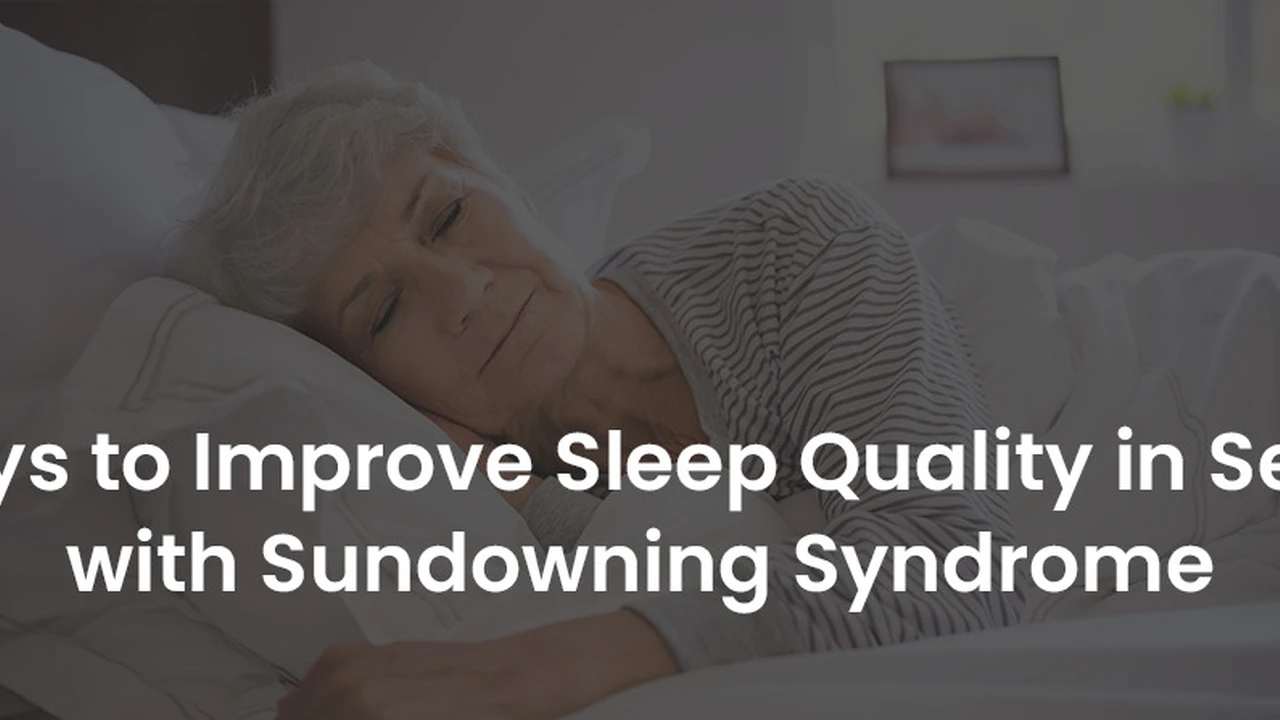
Optimize your sleep for longevity with seasonal strategies. Improve sleep quality for cellular repair and overall health.
Seasonal Sleep Optimization for Longevity
Hey everyone, let's talk about something super important for our long-term health and vitality: sleep. And not just any sleep, but optimized sleep, especially as the seasons change. You might think sleep is just sleep, but our bodies are incredibly attuned to natural rhythms, and ignoring those can really impact our longevity. We're going to dive deep into how seasonal changes affect our sleep, why optimizing it is crucial for cellular repair and overall health, and some practical biohacks and product recommendations to get you sleeping like a baby, no matter the time of year.
Understanding Circadian Rhythms and Seasonal Sleep Patterns
First off, let's get nerdy for a second. Our bodies operate on something called a circadian rhythm, which is basically our internal 24-hour clock. This clock is heavily influenced by light and darkness. Think about it: in summer, days are long and bright, while in winter, they're short and dark. These shifts naturally impact our melatonin production (the sleep hormone) and cortisol levels (the stress hormone), which in turn dictate our sleep-wake cycles.
For example, in summer, with more daylight, our bodies might naturally want to stay up later and wake up earlier. This can be great for productivity and outdoor activities, but if not managed, it can lead to chronic sleep debt. Conversely, in winter, the lack of light can make us feel sluggish and want to sleep more, sometimes leading to Seasonal Affective Disorder (SAD) or just general low energy. Understanding these natural tendencies is the first step to optimizing your sleep for longevity.
Why Sleep Quality Matters for Longevity and Cellular Health
So, why is sleep such a big deal for longevity? It's not just about feeling rested. During sleep, our bodies are doing some serious heavy lifting. This is when cellular repair happens, growth hormone is released, and our brains literally clean themselves out, flushing away metabolic waste products. Poor sleep, especially chronic poor sleep, is linked to a whole host of issues that accelerate aging: increased inflammation, impaired immune function, higher risk of chronic diseases like heart disease and diabetes, and even cognitive decline.
Think of sleep as your body's nightly maintenance crew. If they don't get enough time or the right conditions to do their job, things start to break down. For longevity, we're talking about preserving telomeres (the protective caps on our DNA), optimizing hormone balance, and maintaining robust cellular function. Quality sleep is non-negotiable for all of this.
Spring Sleep Strategies: Realigning with Renewed Energy
As spring rolls around, we're often hit with a burst of energy. The days get longer, and there's a natural urge to be more active. This is a great time to reset your sleep schedule. Here's how:
- Embrace Morning Light: Get outside within 30 minutes of waking up. Even 10-15 minutes of natural light exposure helps signal to your brain that it's daytime, boosting cortisol at the right time and setting you up for melatonin production later.
- Consistent Bedtime: Even with more daylight, try to maintain a consistent bedtime and wake-up time. This reinforces your circadian rhythm.
- Spring Cleaning Your Sleep Environment: Dust, declutter, and air out your bedroom. A fresh, clean space can significantly improve sleep quality.
Summer Sleep Hacks: Beating the Heat and Light
Summer can be tricky for sleep. Long daylight hours and often higher temperatures can disrupt our natural rhythms. Here are some hacks to keep your sleep on point:
- Cool Your Room: The ideal sleep temperature is usually between 60-67°F (15-19°C). Use AC, fans, or open windows (if safe and quiet) to keep your room cool.
- Block Out Light: Invest in blackout curtains or blinds. Even small amounts of light can disrupt melatonin production.
- Hydration, Not Over-Hydration: Stay well-hydrated during the day, but try to limit fluids a couple of hours before bed to avoid nighttime bathroom trips.
- Evening Wind-Down: With more daylight, it's easy to push bedtime. Stick to a relaxing evening routine: warm bath, reading, gentle stretching.
Autumn Sleep Adjustments: Preparing for Shorter Days
As autumn arrives, the days shorten, and temperatures drop. This is a natural time for our bodies to slow down and prepare for winter. Adjusting your sleep can help ease this transition:
- Gradual Shift in Bedtime: You might find yourself naturally wanting to go to bed earlier. Listen to your body and gradually shift your bedtime earlier by 15-30 minutes if needed.
- Embrace Darkness: As it gets darker earlier, start dimming lights in your home in the evening. Use warmer, lower-intensity lighting.
- Cozy Sleep Environment: Make your bedroom a sanctuary. Think comfortable bedding, warm lighting, and perhaps a diffuser with calming essential oils like lavender.
Winter Sleep Optimization: Battling the Darkness and Cold
Winter can be the most challenging season for sleep, especially for those prone to SAD. The lack of natural light and colder temperatures can throw our rhythms off. Here's how to optimize:
- Light Therapy (SAD Lamp): If you struggle with winter blues, a SAD lamp can be a game-changer. Use it for 20-30 minutes first thing in the morning.
- Maintain Activity: It's tempting to hibernate, but regular physical activity, especially outdoors during daylight hours, is crucial for mood and sleep.
- Warmth and Comfort: Ensure your bedroom is warm enough but not too hot. Layered bedding can help you adjust throughout the night.
- Prioritize Sleep Duration: Your body might naturally need a bit more sleep in winter. Don't fight it. Aim for 7-9 hours.
Top Sleep Optimization Products and Tools for Every Season
Now, let's get to some practical tools that can seriously upgrade your sleep game. I've tried a lot of these, and they can make a huge difference.
Blue Light Blocking Glasses: Protecting Your Melatonin Production
This is a non-negotiable for evening use. Screens (phones, tablets, computers, TVs) emit blue light, which tells your brain it's daytime, suppressing melatonin. Wearing blue light blocking glasses for at least 2-3 hours before bed can significantly improve your sleep quality.
- Product Recommendation: Ra Optics Blue Light Blocking Glasses
- Description: Ra Optics offers high-quality, stylish blue light blocking glasses with different tints for daytime (clear/yellow) and nighttime (red/orange). Their nighttime lenses block 100% of blue and green light, which is crucial for melatonin production.
- Use Case: Wear these whenever you're looking at screens after sunset. They're great for watching TV, working on your computer, or scrolling on your phone in the evening.
- Comparison: Compared to cheaper options on Amazon, Ra Optics (and similar brands like BLUblox or TrueDark) invest in proper spectrum blocking. Many cheaper glasses only block a small percentage of blue light, which isn't enough for true sleep optimization. The difference in lens quality and effectiveness is noticeable.
- Price Range: $80 - $150+ depending on style and lens type.
- Product Recommendation: Swannies Blue Light Blocking Glasses by Swanwick Sleep
- Description: Another premium brand known for effective blue light blocking. They offer a range of styles and lens options, including their signature 'Night Swannies' with amber lenses for evening use.
- Use Case: Similar to Ra Optics, ideal for evening screen use to protect your circadian rhythm.
- Comparison: Very comparable to Ra Optics in terms of effectiveness and quality. It often comes down to personal preference for frame styles and fit. Both are excellent choices for serious sleep biohackers.
- Price Range: $70 - $120+
Sleep Trackers: Understanding Your Sleep Cycles
Knowledge is power, and understanding your sleep patterns can help you identify issues and track improvements. While no consumer device is 100% accurate compared to a lab PSG, they provide valuable trends.
- Product Recommendation: Oura Ring Gen3
- Description: A sleek, comfortable ring that tracks sleep stages (REM, deep, light), heart rate variability (HRV), resting heart rate, body temperature, and activity. It provides a daily 'Readiness Score' based on your sleep and recovery.
- Use Case: Wear it 24/7. The app provides insights into your sleep quality, recovery, and how daily habits (like late meals or alcohol) impact your sleep. Great for identifying seasonal shifts in your sleep patterns.
- Comparison: More accurate for sleep staging and HRV than wrist-based trackers like Apple Watch or Fitbit, as it's worn on the finger. Its form factor is also less intrusive for sleep.
- Price Range: $299 - $399 + monthly membership fee.
- Product Recommendation: WHOOP 4.0
- Description: A wrist-worn strap that focuses heavily on recovery, sleep, and strain. It provides detailed sleep staging, sleep consistency, and a 'Recovery Score' to guide your daily activities.
- Use Case: Ideal for athletes or anyone serious about optimizing recovery. It helps you understand how your training, stress, and lifestyle choices impact your sleep and overall readiness.
- Comparison: While wrist-based, WHOOP's algorithms are highly regarded for their accuracy in recovery metrics. It's a subscription-based service, which means continuous updates and personalized coaching.
- Price Range: Subscription-based, typically $30/month or less for longer commitments.
Blackout Curtains: Creating a True Sleep Sanctuary
Even a sliver of light can disrupt your sleep. Blackout curtains are essential, especially in summer or if you live in an urban area with light pollution.
- Product Recommendation: NICETOWN Blackout Curtains
- Description: These are widely available, affordable, and effective. They come in various sizes and colors and are designed to block 100% of light.
- Use Case: Install them in your bedroom to create a pitch-black environment, crucial for melatonin production. Great for shift workers or those sensitive to light.
- Comparison: Many brands offer blackout curtains, but NICETOWN consistently gets good reviews for their effectiveness and value. Look for curtains that are truly 'triple weave' or have a thermal backing for maximum light and temperature control.
- Price Range: $20 - $60+ per panel, depending on size.
Sound Machines: Drowning Out Disruptions
Whether it's noisy neighbors, street traffic, or just a partner who snores, ambient noise can wreak havoc on your sleep. A sound machine can provide a consistent, soothing background noise.
- Product Recommendation: Hatch Restore 2
- Description: More than just a sound machine, the Hatch Restore 2 is a smart sleep assistant. It combines a sound machine, sunrise alarm clock, and dimmable reading light. You can customize sleep routines with different sounds and light cues.
- Use Case: Use it to create a calming pre-sleep routine with guided meditations or soothing sounds, and then wake up gently with a simulated sunrise. Great for seasonal transitions.
- Comparison: While pricier than a basic white noise machine, its multi-functionality and smart features make it a comprehensive sleep solution. Basic white noise machines like the LectroFan are great for just sound, but Hatch offers a more holistic approach.
- Price Range: $199 + optional subscription for premium content.
- Product Recommendation: LectroFan High Fidelity White Noise Machine
- Description: A dedicated white noise and fan sound machine with 20 unique non-looping sounds. It's simple, effective, and portable.
- Use Case: Perfect for travel or if you just need a reliable, consistent sound to block out noise.
- Comparison: It excels at its core function: generating high-quality, non-repeating white noise. If you don't need the smart features of the Hatch, this is a fantastic, more affordable option.
- Price Range: $40 - $60.
Light Therapy Lamps: Boosting Mood and Energy in Winter
For those struggling with winter's lack of light, a SAD lamp can be incredibly beneficial for regulating circadian rhythms and boosting mood.
- Product Recommendation: Verilux HappyLight Full Spectrum LED Therapy Lamp
- Description: A popular and effective SAD lamp that provides 10,000 LUX of full-spectrum, UV-filtered light. It's compact and easy to use.
- Use Case: Use it for 20-30 minutes first thing in the morning, especially during darker winter months. Place it about an arm's length away, slightly to the side of your face.
- Comparison: Verilux is a trusted brand in light therapy. When choosing a SAD lamp, ensure it provides 10,000 LUX and is UV-filtered. Avoid lamps that are just bright lights; they need to be specifically designed for light therapy.
- Price Range: $50 - $100.
Supplements for Seasonal Sleep Support: A Helping Hand
While lifestyle changes are paramount, certain supplements can offer a helping hand, especially during seasonal transitions or periods of high stress. Always consult with a healthcare professional before starting any new supplement.
- Magnesium: The Relaxation Mineral
- Description: Magnesium is involved in over 300 enzymatic reactions in the body, including those related to sleep and relaxation. Many people are deficient.
- Use Case: Take 200-400mg of magnesium glycinate or L-threonate about an hour before bed. These forms are highly absorbable and less likely to cause digestive upset than magnesium citrate.
- Product Recommendation: Thorne Research Magnesium Bisglycinate
- Price Range: $20 - $40 for a month's supply.
- Melatonin: The Sleep Hormone (Use with Caution)
- Description: Melatonin is naturally produced by your body. Supplementing can help reset your circadian rhythm, especially for jet lag or shift work.
- Use Case: Start with a very low dose (0.3mg - 1mg) about 30-60 minutes before bed. More is not always better with melatonin; higher doses can sometimes lead to grogginess. It's best used for short-term rhythm adjustments, not chronic insomnia.
- Product Recommendation: Life Extension Melatonin 0.3mg
- Price Range: $10 - $20.
- L-Theanine: Calming Without Drowsiness
- Description: An amino acid found in green tea that promotes relaxation and reduces anxiety without causing drowsiness. It can improve sleep quality by calming the mind.
- Use Case: Take 100-200mg before bed or during the day for stress relief.
- Product Recommendation: NOW Foods L-Theanine 200mg
- Price Range: $15 - $25.
- Ashwagandha: Adaptogenic Stress Support
- Description: An adaptogenic herb that helps the body manage stress. By reducing cortisol, it can indirectly improve sleep quality.
- Use Case: Take 300-600mg of a high-quality extract (like KSM-66) in the evening.
- Product Recommendation: KSM-66 Ashwagandha by various brands (e.g., Jarrow Formulas, NOW Foods)
- Price Range: $15 - $30.
Creating Your Personalized Seasonal Sleep Routine
The key to longevity through sleep optimization isn't about rigidly following every single rule, but about understanding your body and adapting to the seasons. Here's how to put it all together:
- Assess Your Current Sleep: Use a sleep tracker for a week or two to get a baseline. What are your typical bedtimes and wake times? How much deep and REM sleep are you getting?
- Identify Seasonal Challenges: Are you struggling with early morning light in summer? Or feeling sluggish and oversleeping in winter? Pinpoint your biggest seasonal sleep disruptors.
- Implement Gradual Changes: Don't try to overhaul everything at once. Start with one or two changes, like consistent morning light exposure or wearing blue light blockers in the evening.
- Optimize Your Environment: Make your bedroom a sleep sanctuary. Dark, cool, quiet. Invest in blackout curtains and a good sound machine if needed.
- Establish a Wind-Down Routine: This is crucial. At least an hour before bed, start signaling to your body that it's time to sleep. This means no screens, no intense exercise, no heavy meals. Think warm bath, reading, gentle stretching, meditation.
- Consider Targeted Supplements: If you're still struggling, consider magnesium or L-theanine. Use melatonin sparingly and at low doses for specific issues like jet lag.
- Be Consistent: The most powerful sleep hack is consistency. Try to go to bed and wake up at roughly the same time every day, even on weekends. This reinforces your circadian rhythm.
- Listen to Your Body: Some seasons might naturally require a bit more sleep. Don't fight it. If you feel tired, honor that need.
Optimizing your sleep seasonally is a powerful biohack for longevity. It's not just about feeling better day-to-day, but about giving your body the best possible chance to repair, rejuvenate, and thrive for years to come. So, go forth, embrace the seasons, and get some amazing, restorative sleep!
:max_bytes(150000):strip_icc()/277019-baked-pork-chops-with-cream-of-mushroom-soup-DDMFS-beauty-4x3-BG-7505-5762b731cf30447d9cbbbbbf387beafa.jpg)