Top 10 Bodyweight Exercises for Any Season
Stay strong anywhere, anytime with the top 10 bodyweight exercises. A versatile routine for all fitness levels.
Stay strong anywhere, anytime with the top 10 bodyweight exercises. A versatile routine for all fitness levels.
Top 10 Bodyweight Exercises for Any Season
Why Bodyweight Training is Your All-Season Fitness Solution
Hey fitness enthusiasts! Ever found yourself stuck indoors during a blizzard, or maybe on a beach vacation with no gym in sight? That's where bodyweight exercises become your best friend. They're incredibly versatile, require zero equipment (mostly!), and can be done literally anywhere. Whether you're a seasoned athlete or just starting your fitness journey, bodyweight training offers a fantastic way to build strength, improve endurance, and boost overall fitness. Forget about expensive gym memberships or bulky equipment; your own body is all you need to get an incredible workout, no matter the season or your location.
The beauty of bodyweight exercises lies in their accessibility and functionality. They mimic natural human movements, which means you're not just building muscle, but also improving your balance, coordination, and flexibility. Plus, they're fantastic for injury prevention because they strengthen your stabilizing muscles. We're going to dive deep into the top 10 bodyweight exercises that you can incorporate into your routine year-round, along with tips for progression, common mistakes to avoid, and even some product recommendations to enhance your experience.
The Core 10 Bodyweight Exercises for Strength and Endurance
Let's get down to business. These ten exercises form the foundation of a comprehensive bodyweight workout. Master these, and you'll be well on your way to a stronger, fitter you.
1. Squats The King of Lower Body Bodyweight Exercises
The squat is a fundamental movement pattern that works your quads, hamstrings, and glutes. It's essential for daily activities and athletic performance.
How to Perform a Perfect Bodyweight Squat
- Stand with your feet shoulder-width apart, toes pointing slightly out.
- Keep your chest up and core engaged.
- Lower your hips as if sitting back into a chair, ensuring your knees track over your toes.
- Go as deep as comfortable, ideally until your thighs are parallel to the floor.
- Push through your heels to return to the starting position.
Common Squat Mistakes to Avoid
- Rounding your back.
- Knees caving inward.
- Not going deep enough.
Squat Progression and Variation Tips
Once you've mastered the basic squat, try jump squats for explosive power, pistol squats for unilateral strength, or sumo squats for inner thigh engagement.
2. Push-Ups Your Go-To Upper Body Bodyweight Exercise
Push-ups are fantastic for building chest, shoulder, and tricep strength, while also engaging your core.
Mastering the Push-Up Form
- Start in a plank position, hands slightly wider than shoulder-width apart.
- Keep your body in a straight line from head to heels, core tight.
- Lower your chest towards the floor by bending your elbows.
- Push back up to the starting position.
Common Push-Up Mistakes to Avoid
- Sagging hips or piking hips up too high.
- Flaring elbows out too wide.
- Not going through a full range of motion.
Push-Up Progression and Variation Tips
If full push-ups are too challenging, start on your knees or against a wall. For progression, try decline push-ups, one-arm push-ups, or clap push-ups.
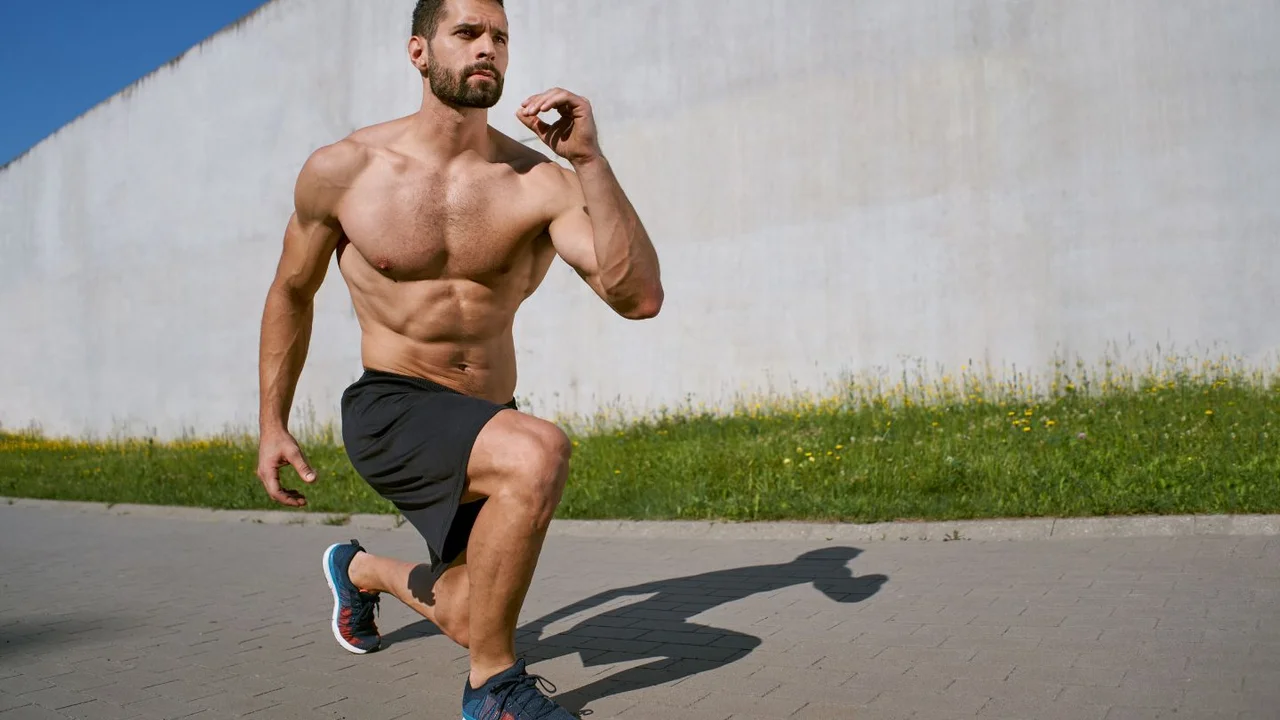
3. Lunges Building Lower Body Balance and Strength
Lunges are excellent for targeting each leg individually, improving balance, and strengthening your quads, hamstrings, and glutes.
Proper Lunge Technique
- Stand with feet hip-width apart.
- Step one leg forward, lowering your hips until both knees are bent at approximately a 90-degree angle.
- Ensure your front knee is directly over your ankle and your back knee hovers just above the ground.
- Push off your front foot to return to the starting position.
- Alternate legs.
Common Lunge Mistakes to Avoid
- Leaning too far forward.
- Knee caving inward.
- Not maintaining balance.
Lunge Progression and Variation Tips
Try reverse lunges, walking lunges, or jump lunges for added challenge and dynamic movement.
4. Planks The Ultimate Core Stability Bodyweight Exercise
The plank is a static exercise that builds incredible core strength and stability, crucial for all other movements.
Holding a Perfect Plank
- Start in a push-up position, then lower onto your forearms.
- Keep your body in a straight line from head to heels, engaging your core and glutes.
- Avoid letting your hips sag or pike up.
- Hold for time.
Common Plank Mistakes to Avoid
- Arching your lower back.
- Hips too high or too low.
- Holding your breath.
Plank Progression and Variation Tips
Try side planks for oblique work, or add movement with plank jacks or shoulder taps.
5. Glute Bridges Activating Your Posterior Chain
Glute bridges are fantastic for strengthening your glutes and hamstrings, often neglected muscles that are vital for posture and power.
Executing the Glute Bridge
- Lie on your back with knees bent, feet flat on the floor hip-width apart, close to your glutes.
- Engage your core and glutes, then lift your hips off the floor until your body forms a straight line from shoulders to knees.
- Squeeze your glutes at the top.
- Lower slowly back down.
Common Glute Bridge Mistakes to Avoid
- Arching your lower back excessively.
- Not fully engaging glutes.
Glute Bridge Progression and Variation Tips
Try single-leg glute bridges for increased challenge, or add a resistance band around your knees.
6. Burpees The Full Body Cardio and Strength Challenge
Burpees are a high-intensity, full-body exercise that combines a squat, push-up, and jump, making them excellent for cardio and strength.
How to Do a Burpee Safely and Effectively
- Start standing.
- Squat down and place your hands on the floor.
- Kick your feet back into a plank position.
- Perform a push-up (optional).
- Jump your feet back to your hands.
- Stand up and jump, reaching your arms overhead.
Common Burpee Mistakes to Avoid
- Rushing the movement and losing form.
- Not fully extending at the top of the jump.
Burpee Progression and Variation Tips
Modify by stepping back instead of jumping, or increase intensity by adding a tuck jump at the end.
7. Mountain Climbers Dynamic Core and Cardio Bodyweight Exercise
Mountain climbers are a dynamic exercise that works your core, shoulders, and legs, while also getting your heart rate up.
Performing Mountain Climbers with Precision
- Start in a high plank position.
- Bring one knee towards your chest, then quickly switch legs, as if running in place.
- Keep your hips stable and core engaged.
Common Mountain Climber Mistakes to Avoid
- Letting your hips sag or pike up.
- Not engaging your core.
Mountain Climber Progression and Variation Tips
Increase speed for more cardio, or try cross-body mountain climbers to engage obliques.
8. Tricep Dips Targeting Arm Strength with Bodyweight
Tricep dips are excellent for isolating and strengthening your triceps, which are crucial for pushing movements.
Executing Tricep Dips
- Sit on the edge of a sturdy chair or bench, hands gripping the edge next to your hips, fingers pointing forward.
- Slide your hips off the edge, supporting your weight with your arms.
- Lower your body by bending your elbows until they are at about a 90-degree angle.
- Push back up to the starting position.
Common Tricep Dip Mistakes to Avoid
- Letting your shoulders shrug up to your ears.
- Not keeping your back close to the bench.
Tricep Dip Progression and Variation Tips
For an easier version, keep your legs bent. For more challenge, extend your legs straight out or elevate your feet on another surface.
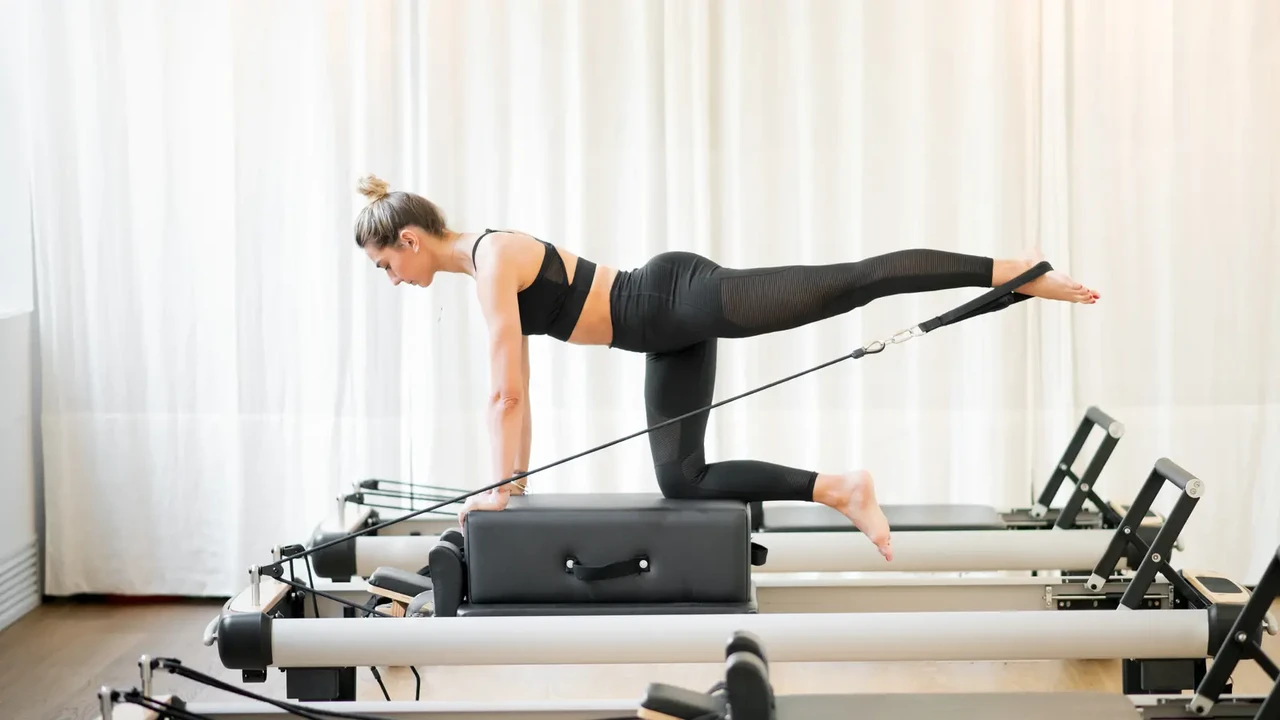
9. Bird-Dog Improving Core Stability and Balance
The bird-dog is a fantastic exercise for core stability, balance, and strengthening your lower back and glutes.
Perfecting the Bird-Dog
- Start on all fours, hands under shoulders, knees under hips.
- Engage your core.
- Extend one arm straight forward and the opposite leg straight back, keeping your back flat and hips stable.
- Hold briefly, then return to the starting position and switch sides.
Common Bird-Dog Mistakes to Avoid
- Arching or rounding your back.
- Letting your hips rotate.
Bird-Dog Progression and Variation Tips
Increase the hold time, or try to bring your elbow and knee together under your body before extending.
10. Calf Raises Strengthening Your Lower Legs
Calf raises are simple yet effective for strengthening your calf muscles, important for walking, running, and jumping.
How to Do Calf Raises
- Stand tall, feet hip-width apart.
- Slowly raise up onto the balls of your feet, lifting your heels as high as possible.
- Hold briefly at the top, then slowly lower your heels back down.
Common Calf Raise Mistakes to Avoid
- Rushing the movement.
- Not going through a full range of motion.
Calf Raise Progression and Variation Tips
Try single-leg calf raises for more intensity, or perform them on an elevated surface (like a step) to increase the range of motion.
Structuring Your Bodyweight Workout Routine for All Seasons
Beginner Bodyweight Workout Routine
If you're just starting out, focus on mastering the form. Aim for 2-3 sets of 8-12 repetitions for each exercise, or hold planks for 20-30 seconds. Do this 3-4 times a week, with a rest day in between.
Intermediate Bodyweight Workout Routine
Ready for more? Increase your reps to 12-15, or add more sets (3-4). Incorporate some of the progression variations mentioned. You can also try circuit training, moving from one exercise to the next with minimal rest.
Advanced Bodyweight Workout Routine
For the seasoned pros, challenge yourself with higher reps (15-20+), more sets (4-5), or advanced variations like pistol squats, one-arm push-ups, or burpees with a tuck jump. You can also reduce rest times between sets or exercises to boost intensity.
Enhancing Your Bodyweight Training with Minimal Equipment
While bodyweight training is fantastic on its own, a few inexpensive tools can significantly enhance your workouts, offering new challenges and targeting muscles in different ways. These are great for adding variety and progression, especially if you're looking to push past a plateau.
1. Resistance Bands Adding Intensity to Bodyweight Exercises
Resistance bands are incredibly versatile and portable. They come in various resistance levels, from light to extra heavy, making them suitable for all fitness levels. They're perfect for adding resistance to squats, glute bridges, and even push-ups.
Recommended Resistance Band Products
- TheraBand Resistance Bands Set: A classic choice, often used in physical therapy. They come in different colors indicating resistance levels. Price: Around $20-$40 for a set.
- Fit Simplify Resistance Loop Bands: These are smaller loops, great for glute activation and lower body exercises. Price: Around $15-$25 for a set of 5.
- Serious Steel Fitness Resistance Bands: Heavier duty bands, excellent for assisted pull-ups (if you have a bar) or adding significant resistance to squats and deadlifts. Price: Around $30-$60 per band, depending on resistance.
Usage Scenarios for Resistance Bands
Wrap a loop band around your thighs just above the knees for squats and glute bridges to increase glute activation. Use a long band for assisted push-ups by looping it under your chest and holding the ends in your hands, reducing the effective bodyweight.
2. Pull-Up Bar Expanding Upper Body Bodyweight Options
While not strictly 'no equipment,' a doorway pull-up bar is a fantastic investment for expanding your upper body bodyweight exercises beyond push-ups and dips. It opens up pull-ups and chin-ups, which are crucial for balanced upper body development.
Recommended Pull-Up Bar Products
- Iron Gym Total Upper Body Workout Bar: A popular and affordable option that fits most doorways without drilling. Price: Around $30-$50.
- Perfect Fitness Multi-Gym Doorway Pull Up Bar: Similar to Iron Gym, often with more grip options. Price: Around $40-$60.
- Garren Fitness Maximiza Pull Up Bar: A tension-mounted bar that can be installed in a doorway. Ensure your doorway is sturdy. Price: Around $25-$45.
Usage Scenarios for Pull-Up Bars
Use it for pull-ups (palms facing away) to target your back and biceps, or chin-ups (palms facing towards you) for more bicep emphasis. You can also use it for hanging leg raises for intense core work.
3. Exercise Mat Comfort and Support for Floor Exercises
An exercise mat isn't just for yoga! It provides cushioning for your joints during floor exercises like planks, glute bridges, and bird-dogs, making your workout more comfortable and enjoyable, especially on hard surfaces.
Recommended Exercise Mat Products
- BalanceFrom GoFit All-Purpose Exercise Mat: A thick, durable, and affordable mat. Price: Around $20-$30.
- Gaiam Essentials Premium Yoga Mat: A good balance of cushioning and grip, suitable for various exercises. Price: Around $25-$40.
- Manduka PRO Yoga Mat: A premium, very durable mat with excellent cushioning, but a higher price point. Price: Around $100-$130.
Usage Scenarios for Exercise Mats
Lay it down for any exercise where your knees, elbows, or back are in contact with the floor. It also helps define your workout space and provides a non-slip surface.
4. Jump Rope High-Intensity Cardio and Coordination
While not a strength exercise, a jump rope is an incredible tool for adding high-intensity cardio to your bodyweight routine. It's portable, affordable, and fantastic for improving coordination, agility, and cardiovascular health.
Recommended Jump Rope Products
- Crossrope Get Lean Set: A premium, weighted jump rope system that allows for quick handle changes. Excellent for serious cardio and strength. Price: Around $99-$169.
- WOD Nation Speed Jump Rope: A popular and affordable speed rope, great for double-unders and high-intensity intervals. Price: Around $15-$25.
- Degol Skipping Rope with Ball Bearings: A basic, durable, and very affordable option for general use. Price: Around $10-$15.
Usage Scenarios for Jump Ropes
Incorporate jump rope intervals between sets of bodyweight exercises for a metabolic boost, or use it as a warm-up or cool-down. Aim for 30-60 second intervals of jumping.
Seasonal Adaptations for Your Bodyweight Training
One of the best things about bodyweight training is how easily it adapts to different seasons and environments. You don't need a specific 'winter' or 'summer' routine; instead, you adjust your approach based on what the season offers.
Spring and Summer Maximizing Outdoor Bodyweight Workouts
When the weather is warm and inviting, take your bodyweight workouts outdoors! Parks often have benches for tricep dips or elevated push-ups, and playgrounds can offer monkey bars for pull-ups or hanging exercises. The fresh air and sunshine (hello, Vitamin D!) can significantly boost your mood and energy levels. Consider doing your burpees on grass for a softer landing, or find a hill for incline sprints to add a cardio challenge.
Autumn and Winter Staying Consistent Indoors
As the days get shorter and colder, it's easy to lose motivation. This is where the 'anywhere, anytime' aspect of bodyweight training truly shines. Your living room, a hotel room, or even a small corner of your office can become your gym. Focus on consistency. If you're feeling sluggish, even a quick 15-minute circuit of squats, push-ups, and planks can make a huge difference. Use your exercise mat to make floor exercises more comfortable, and consider adding a jump rope for indoor cardio.
Nutrition and Recovery Supporting Your Bodyweight Journey
No matter how great your workouts are, proper nutrition and recovery are key to seeing results and staying healthy. Think of your body as a high-performance machine; it needs the right fuel and maintenance.
Fueling Your Bodyweight Workouts
Focus on a balanced diet rich in whole foods. Protein is crucial for muscle repair and growth (think lean meats, fish, eggs, legumes, tofu). Complex carbohydrates provide energy for your workouts (oats, brown rice, sweet potatoes). Healthy fats support hormone production and overall health (avocado, nuts, seeds, olive oil). Hydration is also paramount; drink plenty of water throughout the day, especially before, during, and after your workouts.
Prioritizing Recovery and Sleep
Your muscles don't grow during your workout; they grow during recovery. Aim for 7-9 hours of quality sleep each night. This is when your body repairs tissues, consolidates memories, and recharges. Incorporate active recovery days with light activities like walking or stretching. Listen to your body; if you're feeling overly fatigued, take an extra rest day. Foam rolling and stretching can also help improve flexibility and reduce muscle soreness.
Common Questions About Bodyweight Training Answered
Can I build significant muscle with just bodyweight exercises?
Absolutely! While you might not become a competitive bodybuilder, you can build significant functional strength and muscle mass with progressive bodyweight training. The key is to continually challenge your muscles by increasing reps, sets, reducing rest, or moving to more difficult variations of exercises.
How often should I do bodyweight workouts?
For beginners, 3-4 times a week with rest days in between is a great starting point. As you get fitter, you can increase frequency, perhaps doing full-body workouts 4-5 times a week, or splitting your routine into upper/lower body days if you prefer.
What if I can't do a full push-up or pull-up?
No problem at all! Start with modifications. For push-ups, begin on your knees or against a wall. For pull-ups, use an assisted pull-up machine at a gym, resistance bands, or negative pull-ups (jumping to the top and slowly lowering yourself down). Consistency and patience are key to building up to the full versions.
Is bodyweight training good for weight loss?
Yes! Bodyweight exercises, especially when performed in a circuit or with high intensity (like burpees or jump rope), can be excellent for burning calories and improving your metabolism. Combined with a healthy diet, it's a very effective tool for weight loss and body composition improvement.
How do I stay motivated with bodyweight training?
Set realistic goals, track your progress (how many reps, how long you hold a plank), try new variations to keep things interesting, and find a workout buddy if possible. Remember that consistency beats intensity, especially when you're just starting out. Celebrate small victories!
Your Bodyweight Journey Starts Now
Bodyweight exercises are a powerful, accessible, and effective way to stay fit and strong, no matter where you are or what the season brings. By mastering these 10 core movements and understanding how to progress, you'll have a versatile fitness toolkit at your disposal. Remember to listen to your body, prioritize recovery, and fuel yourself with good nutrition. Get started today and unlock the incredible potential of your own body!
:max_bytes(150000):strip_icc()/277019-baked-pork-chops-with-cream-of-mushroom-soup-DDMFS-beauty-4x3-BG-7505-5762b731cf30447d9cbbbbbf387beafa.jpg)